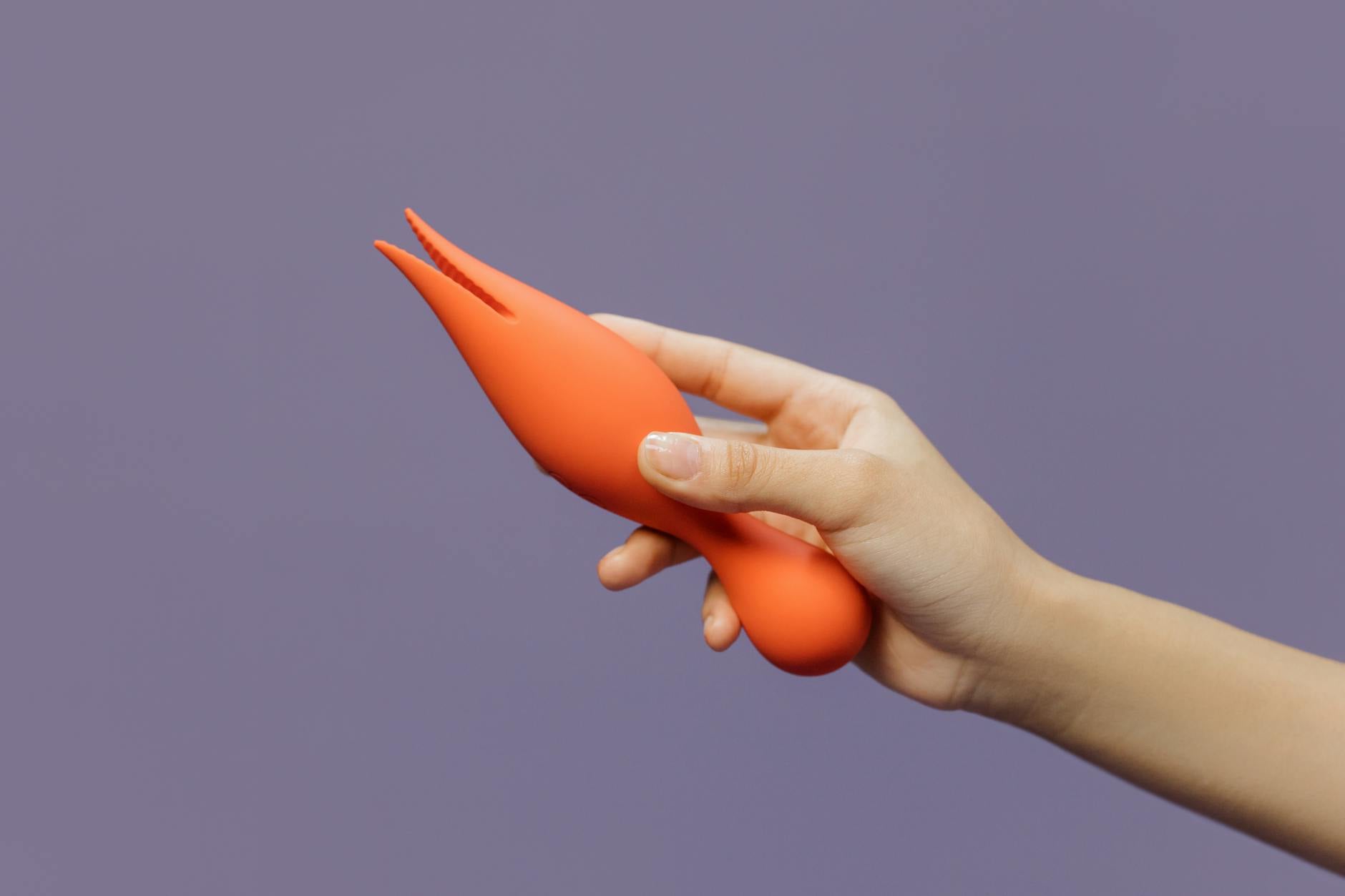
Let's start with the direct answer
Yes. For most healthy pregnancies, using a lemon clitoral vibrator is safe. But there are specific situations where you need to pause, specific positions that work better, and specific conversations worth having with your doctor before you dive in. This guide walks you through all three.
What actually happens to your pleasure during pregnancy
Pregnancy floods your body with estrogen and progesterone. Blood flow to your genitals increases significantly, which sounds like it should make everything easier. Sometimes it does. Swelling increases sensation. Clitoral sensitivity can actually skyrocket in the first and second trimesters.
But here's the complication. That same swelling can make direct stimulation feel overwhelming or uncomfortable. Discharge increases (a lot). Sensitivity to touch changes day to day. What felt amazing at week 12 might feel too intense at week 22. Your pelvic floor is also working harder to support your growing uterus, which changes how orgasms feel and whether you want them at all.
This is wildly normal. It's also wildly variable person to person.
When to avoid lemon vibrators during pregnancy
Three situations require you to step back and check with your doctor first.
If you have a history of miscarriage or threatened miscarriage. Some doctors recommend avoiding penetration or internal stimulation in early pregnancy if there's any risk. External clitoral vibration is typically fine, but run it by your OB or midwife first.
If you've been diagnosed with placenta previa, low-lying placenta, or preterm labor risk. Orgasms trigger mild uterine contractions, which is harmless in most pregnancies but not recommended if your placenta is positioned dangerously low or if contractions pose a real risk.
If your doctor has advised pelvic rest for any reason. This is broader than it sounds. Some doctors use "pelvic rest" to mean no penetration. Others mean no sexual activity at all. Get specifics in writing.
For everyone else, external clitoral vibration with lemon vibrators is generally considered safe across all three trimesters.
What changes and what you can do about it
Four practical shifts happen during pregnancy, and four ways to work with them.
Your sensitivity goes up. Start with lower intensity settings. If you normally use pattern 4 on your lem vibrator, begin at pattern 1 or 2. Your body will tell you if it wants more. Rushing the intensity can lead to overstimulation that leaves you sore.
Your position comfort shrinks. Lying on your back becomes uncomfortable as your belly grows. Side-lying usually works best. Sitting upright works too. Anything that doesn't put pressure on your belly or require you to lie flat for long periods works.
Lubrication shifts. You might have more natural lubrication during pregnancy, or you might feel drier despite increased blood flow. Both happen. Water-based lube is still your friend if you need it. Silicone lube is fine too, just keep it away from silicone toys.
Your desire fluctuates wildly. Hormone swings are real. Week 15 you might want to come five times a day. Week 18 you might not want to be touched at all. Your partner might need reassurance that this isn't about them. A quick check-in goes a long way.
Why external clitoral vibrators are the safer choice during pregnancy
Lemon clitoral vibrators and other air-suction devices are considered lower-risk during pregnancy because they work externally. There's no penetration, no cervical stimulation, no risk of introducing infection deeper into the reproductive tract.
Internal vibrators carry slightly higher risk, mostly around infection (though that's rare with clean toys) and the potential to trigger contractions if they're used intensely around the cervix. External stimulation gives you pleasure without those complications.
If you've been using lemon vibrators for maximum pleasure and comfort before pregnancy, the transition is usually smooth. You're just adapting the intensity and position, not relearning everything.
The orgasm question (yes, they're safe)
Orgasms during pregnancy are safe. Full stop. Uterine contractions during orgasm are mild and brief. They're not strong enough to trigger labor or harm your baby. Thousands of pregnant people have orgasms every day without complications.
What changes is how orgasms feel. Some people find them more intense. Some find them shallower or harder to reach. Some experience multiple orgasms more easily. Some experience none at all for a few weeks, then they're back.
The hormonal shifts and increased pelvic floor tension change the whole experience. This isn't bad. It's just different.
If you're concerned about contractions or cramping after orgasm, that's worth mentioning to your doctor. Mild cramping is normal. Intense, prolonged cramping or any sign of bleeding warrants a call.
Communication with your partner matters more now
Pregnancy is a time when couples often disconnect sexually. You're exhausted. Your body feels foreign. Your partner might be worried about hurting the baby (they won't). Your partner might be unsure what you want (you might be unsure too).
The best move is to separate the conversation from the act. "I want us to stay connected" is different from "I want an orgasm right now." One is about the relationship. The other is about your body. They're related but not identical.
Using a lemon vibrator solo during pregnancy is also completely valid. You don't owe your partner access to your pleasure, especially when your body is doing something as intense as growing a whole human. Sometimes what you need is space and your own device and time to figure out what feels good on any given day.
What to ask your doctor before you start
Bring it up directly. Most OBs and midwives have seen this question before. Here's what to ask.
"Is external clitoral stimulation safe in my pregnancy?" Get a yes or no. If it's no, ask why. If there's a specific risk, you want to know it.
"Are there any positions I should avoid?" This changes as your pregnancy progresses.
"Should I be concerned about anything specific?" Pain, bleeding, cramping, infection, or contractions are the main things to flag. Know what warrants a call and what you can wait to mention at your next visit.
Most doctors will say yes to external clitoral vibrators for standard healthy pregnancies. Some will add caveats. Some will suggest waiting until the second trimester. Write down whatever they say so you remember it clearly.
Hygiene and infection prevention
Clean your lemon vibrator before and after every use. Pregnancy makes you more susceptible to infections because your immune system is working overtime to keep your baby safe. This isn't just about your vibrator. It's about everything that touches your genitals.
Use toy cleaner or warm soapy water. Dry completely. If your toy is waterproof, you can run it under warm water too. Don't share toys without cleaning between partners, and don't move a toy from back to front without washing it first.
The postpartum question (brief version)
You can usually return to clitoral vibrators after you're cleared for sex, typically four to six weeks postpartum (longer if you had a tear or C-section). Your body will feel different. You might be less interested. That's completely normal. When you do start again, follow the same logic you used during pregnancy: lower intensity, patience, lubrication, and time.
FAQ: Your pregnancy and pleasure questions answered
Can orgasms cause a miscarriage?
No. Orgasms during pregnancy do not cause miscarriage. If a miscarriage is going to happen, it's usually because of something chromosomal or developmental, not because of sexual activity. That said, if your doctor has put you on pelvic rest due to bleeding or threat of miscarriage, follow that advice specifically. It's rare, but in those specific cases, it's there for a reason.
Will using a vibrator during pregnancy harm my baby?
Your baby is in the amniotic sac, surrounded by fluid and protected by your uterus. A vibrator on your clitoris doesn't reach your baby. It doesn't penetrate your cervix. It doesn't change your baby's environment in any way. Your baby won't feel it.
Can I use a lemon vibrator in all three trimesters?
Most healthy pregnancies, yes. Early pregnancy comes with slightly more caution because miscarriage risk is highest in the first trimester. Many doctors recommend waiting until the second trimester to be extra safe, especially if you've had previous losses. But if you get the all-clear, external stimulation is generally fine from day one.
What if I have no interest in sex or pleasure during pregnancy?
That's normal. Pregnancy is exhausting. Your body feels weird. Your hormones are telling your brain to focus on survival, not pleasure. You don't have to be interested in sex or vibrators. If you do use them, great. If you don't, also great. Your partner can manage their own needs. Your job is taking care of yourself and your growing baby.
Should I tell my doctor I'm using a vibrator during pregnancy?
Yes. Not to get permission, but so they have the full picture of your sexual activity. If something comes up during pregnancy, your doctor wants to know what you're doing and how it's making you feel. It helps them rule things out and give better advice.
Can vibration affect my placenta or umbilical cord?
No. External clitoral vibration doesn't reach your uterus, your placenta, or your umbilical cord. It's localized to your external genitalia. It creates no vibration inside your body.
The bottom line
Pregnancy changes your body, your pleasure, and your relationship to both. For most people with healthy pregnancies, lemon clitoral vibrators are safe and can keep you connected to your own pleasure during a time when everything else feels out of control. Talk to your doctor. Listen to your body. Adjust as you go. And remember that taking care of your pleasure is taking care of yourself, which is exactly what pregnancy demands.