Let's get specific about technique
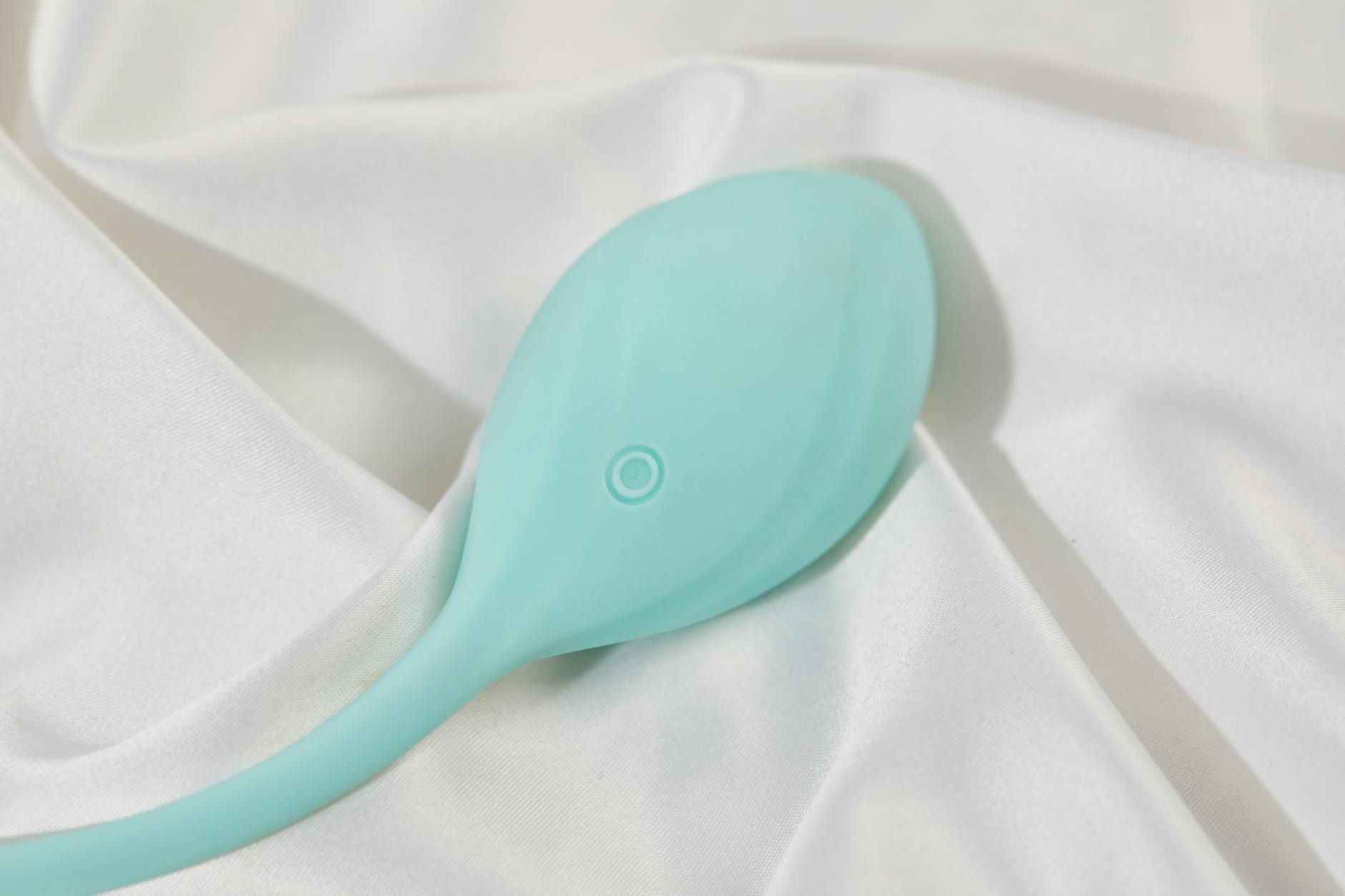
Most people unbox a lemon vibrator and turn it on. That's fine for a first try, but you're leaving pleasure on the table. The lem vibrator, like all good clitoral vibrators, isn't a plug-and-play device. It's a tool that needs positioning, pressure modulation, and a little exploration to sing. Here's how to actually use it.
Why pressure and angle matter more than you think
The clitoris has roughly 8,000 nerve endings concentrated in a small area. That density means sensation is wildly localized. A vibrator's angle, the firmness of your contact, and where exactly you're placing the head all change what you feel. Direct contact on the clitoral glans can feel intense or even uncomfortable for some people. Indirect contact, above or to the side, often feels better. The head of a lemon vibrator is designed to offer both options easily.
Start with the vibrator held at a slight angle, about 45 degrees from your body. This lets you control pressure with your hand rather than relying on the device to do all the work. You're in charge of the pressure; the vibrator provides the stimulus.
The starting pattern and why less is more
Lemon vibrators typically have multiple speed settings and patterns. Resist the urge to jump straight to the highest intensity. Start at the lowest setting. Yes, really. Your body needs a moment to wake up. Five minutes at a lower speed will get you more aroused and more responsive than jumping to high intensity immediately.
Once you've been going for five to ten minutes at a lower setting, your body will usually let you know when it's ready for more. You might feel your rhythm accelerate or want a stronger sensation. Then move up a pattern or two. The progression feels better than the quick jump.
Positioning: what actually works
Here are the positions that work best with lemon vibrators, whether you're solo or with a partner.
Lying on your back, knees bent. This is the classic. Your hands are free to guide the vibrator and adjust pressure. Your legs can cross or stay open, whatever feels right. The angle means you can direct the vibrator exactly where you want it.
Sitting upright, leaning back slightly. Use a pillow or the arm of a chair for support. This position gives you excellent control and a different angle of approach. Some people find that the slight forward bend helps them focus.
On your side. Underrated position. Your top leg can be straight or bent, your bottom leg extended for stability. This angle often gives indirect contact naturally, which many people prefer.
Kneeling. If you're with a partner, this puts you at a comfortable height for them to help guide the vibrator or hold it for you. It's also a position that feels empowering for many people.
The key across all of these is that your pelvic floor should be relaxed, not clenched. Tension in that area actually blocks sensation. If you notice you're gripping, pause for a breath and consciously soften.
The direct-indirect-direct exploration pattern
Here's a technique I recommend to people learning their lemon vibrator: start with indirect contact. Place the vibrator above your clitoris or to one side, so the vibration is reaching the nerve endings without direct pressure on the most sensitive part. Spend two to three minutes here.
Then, if it feels good, move to direct contact. Let the vibrator head make gentle contact with your clitoris, keeping pressure light. Stay here for another couple of minutes.
Then return to indirect. This pattern teaches your body about the range available to you. It prevents overstimulation (which can happen if you stay in direct contact too long at high intensity). And it often leads to stronger orgasms because you've been working multiple approaches to sensation.
What to do if something feels off
If the vibrator feels too intense, you have three adjustments: lower the intensity setting, reduce the pressure from your hand, or shift to indirect contact. Do all three if you need to. Pleasure should not hurt. A little intensity is different from pain. Pain is your body saying stop.
If sensation feels numb or distant, you might be over-stimulating. This actually happens more than people think. Take a break for ten to fifteen minutes, then start again at a lower setting. Your sensitivity will return. Alternatively, you might need more direct contact or higher intensity; everyone's neurological response is different.
If you're using a lemon vibrator with a partner and they're holding it, communication is everything. "A little lighter," "Move up slightly," "Stay right here." Make this conversation normal and easy. A good partner wants to know what's working.
Warm-up time is not wasted time
I see a lot of people skip the warm-up because they think it's boring or because they feel time pressure. But five to ten minutes of gentle touching, kissing, or manual stimulation before you introduce any vibrator makes a massive difference. Your body is literally preparing for pleasure. Blood is moving to the right places. Your skin is becoming more sensitive. Arousal is building.
Then when you introduce the vibrator at a lower setting, you're not starting from zero. You're building on something already in motion. That's how you get to stronger sensations and more satisfying orgasms.
The progression to trying something new
Once you've spent a few sessions with your lemon vibrator and you know what works, you can experiment with variations. Try the same pattern but with your legs crossed. Try it with your eyes closed. Try it while listening to something specific. Try it with a partner present, or different types of touch before and during. Each variation slightly changes the sensation and can unlock new responses.
If you're interested in exploring how a lemon clitoral vibrator works differently than, say, a wand vibrator, you might find it useful to read about how different vibrators suit different body types. Every device has a slightly different shape and vibration pattern. Understanding those differences helps you troubleshoot when something isn't landing the way you hoped.
Maintenance and care between sessions
A lemon vibrator, like any silicone toy, needs basic care. Wash it with warm water and mild soap after each use. Dry it completely before storing. Keep it away from extreme heat or direct sunlight. These simple steps keep the material in good condition and mean your vibrator performs at its best every time.
If you're sharing a vibrator with a partner, washing between uses isn't just hygiene. It's also part of the ritual of care. You're treating your pleasure like it matters. Because it does.
FAQ: Common questions about using lemon vibrators
How long should a session with a lemon vibrator last?
There's no magic number. Some people finish in five minutes. Some spend twenty or thirty. The time you need depends on your arousal level, your stress, what's happening in your relationship, how much warm-up you've done, and what patterns you're using. Longer is not always better. A focused ten-minute session can be more satisfying than a scattered thirty-minute one. Pay attention to what your body needs that day.
Can I use a lemon vibrator every day?
Yes, safely. Your body doesn't become desensitized to pleasure from daily use of a lemon clitoral vibrator. What sometimes happens is that your nervous system becomes familiar with a particular pattern or intensity, the same way your ears adjust to background noise. If you notice this, switch up the pattern, change the intensity, or take a day or two off. Your sensitivity returns immediately.
Do I need lubricant with a lemon vibrator?
Not always, but many people prefer it. Lubricant reduces friction and can make the experience feel smoother and more comfortable, especially if you're using direct contact. Water-based lube works best with silicone toys. Apply a small amount to your vulva or to the head of the vibrator. A little goes a long way.
What's the difference between a lemon vibrator and other clitoral vibrators?
A lemon vibrator has a specific shape and vibration pattern designed for precision and control. The compact head targets the clitoris without being overwhelming. The tapered design makes it easy to adjust pressure and angle. Different brands and styles offer different vibration patterns. If you're curious about how a lemon clitoral vibrator compares to other options, our guide on finding your perfect vibrator walks through the landscape.
Is it normal to not orgasm on the first try with a new vibrator?
Completely normal. Your body needs time to learn a new pattern of stimulation. Your brain needs to adjust to a new sensation. Some people take three or four sessions before they find the rhythm that works. Pressure to finish is the enemy of pleasure. Explore without a goal, and orgasm usually follows.
Can I use a lemon vibrator if I have a very sensitive clitoris?
Yes, especially because of the positioning flexibility. Start at the lowest intensity and use indirect contact. You can place the vibrator on the mons pubis or above the clitoris and let the vibration travel downward. As you become comfortable, you can explore more direct contact. Many people with high sensitivity find that lemon vibrators work beautifully because the design offers control.
Your pleasure matters. Whether you're exploring a lemon vibrator for the first time or refining technique you've already discovered, the goal is the same. Pay attention. Adjust. Trust what your body tells you. That's how you get to what actually feels good.