The thing nobody says out loud about dryness
Vulva dryness is not a personal failing. It's also not a reason to stop having pleasure. But here's what makes it tricky: when tissue is thin and dry, the usual approach to vibrators stops working the same way. The suction technology in lemon clitoral vibrators like the Lem is actually built for this exact situation, which is why so many people rediscover sensation once they understand how to use them properly.
Let me be clear about what we're talking about. Dryness and thin tissue often come together, usually from hormonal shifts (menopause, perimenopause, certain medications, hormonal birth control stopping, postpartum). The vaginal tissue gets thinner, loses elasticity, and produces less natural lubrication. That changes how direct pressure or vibration feels. Too much friction becomes uncomfortable. Too much intensity feels irritating instead of pleasurable.
Why suction works differently than vibration alone
Most vibrators work through friction and buzz. They're basically tiny motors pressing and vibrating against tissue. With thin or dry tissue, that direct pressure can hurt, feel scrapy, or cause micro-tears you won't notice until later when things are inflamed.
Lemon clitoral vibrators work through suction. The Lem creates a gentle seal and pulse that stimulates nerves without direct mechanical pressure. That's the key difference. Think of it less like a vibrator pressing against you and more like a soft tug, a rhythmic squeeze. The nerve clusters in the clitoris respond beautifully to that kind of stimulus, especially when the surrounding tissue is delicate.
For people with vulva dryness and thin tissue, suction-based lemon vibrators are often more comfortable immediately and more likely to build sensation without pain.
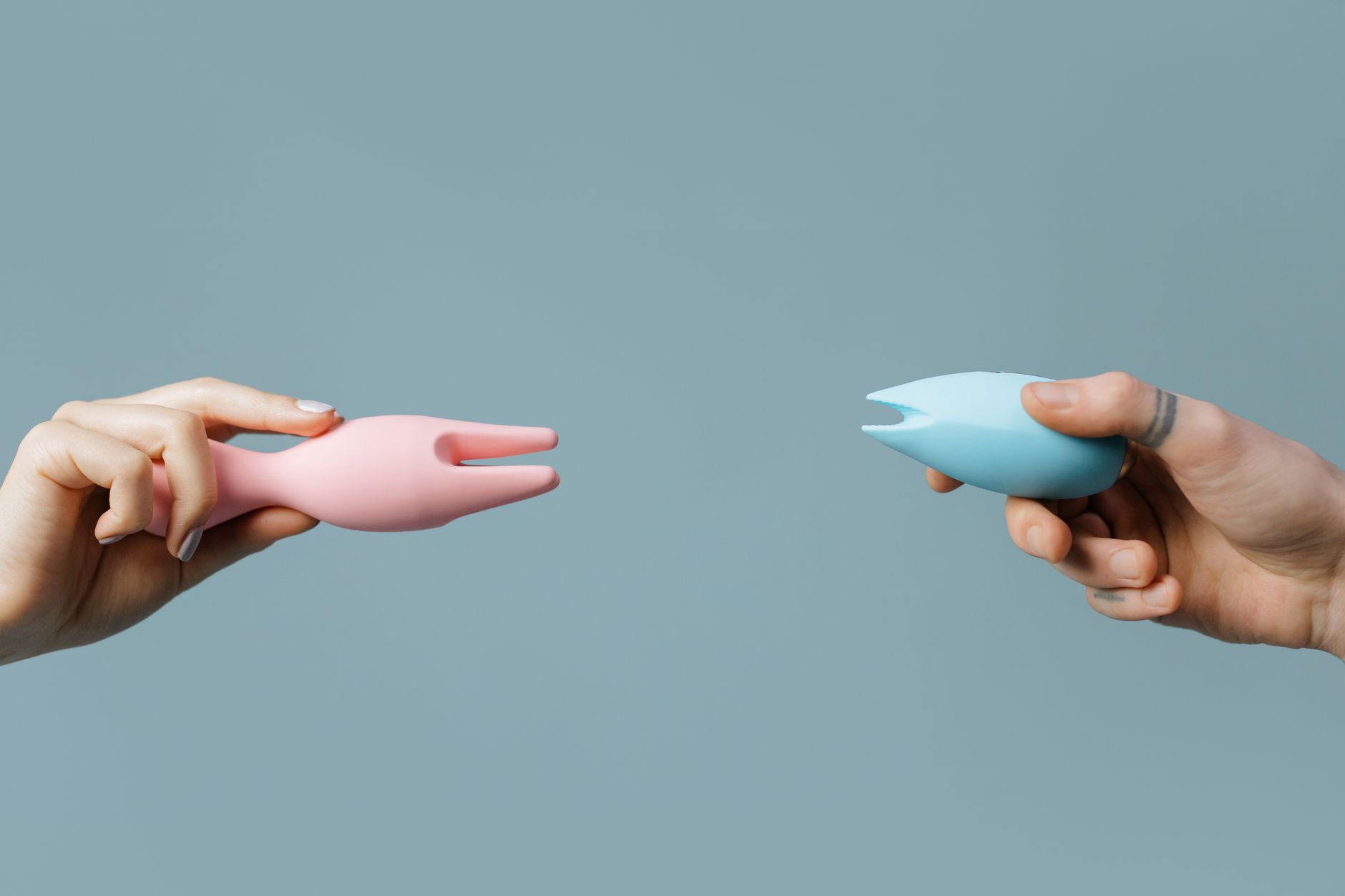
Photo by cottonbro studio on Pexels
The prep work that changes everything
Three things happen before you touch a lemon vibrator when dryness is the issue.
Lubrication is non-negotiable. Water-based lubricant, applied generously. I'm talking a quarter-size dollop at minimum, refreshed as needed. The lube serves two purposes: it protects thin tissue from any friction during insertion or adjustment, and it helps the suction seal work more effectively. Without it, you're fighting your own anatomy.
Warm-up time is longer than you think it should be. Arousal with dryness doesn't work on a five-minute clock. Budget twenty minutes minimum before using the Lem, and actually spend that time on direct clitoral touch, partner contact, or mental focus. Your body needs time to shift into arousal even if lubrication doesn't follow naturally. That's normal, and it's why lube exists.
Topical estrogen, if relevant. This is worth a conversation with a doctor, but if you're dealing with genitourinary syndrome of menopause (GSM) or significant atrophy, a prescription vaginal estrogen cream applied three times a week can change tissue thickness noticeably in four to six weeks. It's not systemic (your body doesn't absorb much into the bloodstream). It's local, targeted, and wildly effective. Once tissue plumps back up, the whole experience of using a lemon clitoral vibrator becomes easier.
Starting low and building gradually
The Lem has ten intensity levels. With dryness and thin tissue, you're starting at one. Maybe two if you're feeling bold. The goal isn't maximum sensation on day one. The goal is consistency, comfort, and letting your nervous system learn that this feels safe.
Start at the lowest setting, find the angle that feels best (usually with the device tilted slightly, not pressed straight on), and spend five to ten minutes there. What you're doing is training your body to wake up. Nerve endings need repeated, gentle stimulation to start firing again. That doesn't happen in one session.
After three to five sessions at level one or two, you can experiment with going up to three or four. But here's the thing: you might find that you don't need to. Many people with thin tissue report their most satisfying orgasms at lower intensities. The sensation is more localized, more controlled, less likely to feel overwhelming.
What sensation actually comes back (and when)
Tissue doesn't repair overnight. But it does repair. Within two to three weeks of regular lemon vibrator use (three to four times a week), people usually report that touch feels more pleasurable. Within six to eight weeks, many say sensation has noticeably improved, tissues feel less fragile, and arousal builds faster.
This is partly physiological (increased blood flow promotes healing), partly neurological (your nervous system is literally relearning pleasure pathways), and partly psychological (permission and consistency matter). The Lem's suction mechanism accelerates this because it's designed to stimulate without strain.
Some people find that using a lemon clitoral vibrator regularly also helps with natural lubrication over time. Not always. Some dryness is persistent and requires ongoing lubricant use. That's fine. It's not a failure. Lube is a tool, like the vibrator itself.
When thin tissue needs extra protection
If you have significant atrophy (skin that looks paper-thin, feels painful even with touch, tears easily), the Lem might not be the right starting point. A smaller device or external stimulation only might be better. Talk to a doctor first. Genitourinary syndrome of menopause is real, common, and treatable. You don't need to white-knuckle through it.
Once you're on topical estrogen and tissue has started healing, then the Lem becomes a perfect next step. It gives you a gentle way to rebuild sensation without risking further damage.
If you experience pain during or after using any vibrator, stop. Pain is information. Either the tissue needs more time to heal, you need more lube, or you need a different approach altogether. There's no prize for pushing through discomfort.
The emotional piece that gets skipped
Dryness and thin tissue often arrive with a story: "My body is broken," "I'm too old for this," "This is just what happens." That story shapes the experience. If you approach the Lem thinking it's a workaround for a broken system, you'll have a defensive, disappointed experience.
If you approach it as a tool for rebuilding pleasure on your body's current terms, something shifts. You're not fighting anatomy. You're working with it. You're learning your body again, at a different life stage.
That's not spiritual or vague. It's neurologically real. Your brain's expectations shape what your body feels. Pleasure requires curiosity, not shame. The prep work, the lube, the low settings, the patience. all of that is you saying to yourself: this matters enough to do right.
People Also Ask
Is it normal to need lubricant every time I use my lemon vibrator?
Completely normal. If you have thin tissue or ongoing dryness, you'll probably need lube every single time. That's not a sign something is wrong. It's just how this particular body works right now. Stock up on good water-based lube (and keep it at room temperature for comfort). The lube makes the whole experience safer, more comfortable, and more pleasurable.
How long does it take to feel sensation return with thin tissue?
Most people notice a shift within two to three weeks of consistent use (three to four times weekly). Bigger changes usually take six to eight weeks. But individual timelines vary wildly depending on the cause of the dryness, whether you're on topical estrogen, and your overall health. Some people feel progress within days. Others take months. Consistency matters more than speed.
Can I use my lemon clitoral vibrator if I have genitourinary syndrome of menopause?
Yes, once you have a plan in place. Talk to a doctor first. Usually the recommendation is to start topical estrogen cream (applied three times a week), wait four to six weeks for tissue to improve, and then introduce gentle lemon vibrator use. Using the vibrator too early on severely atrophied tissue can cause more damage. But once tissue has started healing, the suction technology in devices like the Lem is actually ideal because it doesn't require the same direct pressure that can irritate delicate tissue.
Why does my lemon vibrator feel uncomfortable when it didn't used to?
Your tissue has changed. Hormonal shifts, medications, health conditions, even stress and poor sleep affect tissue thickness and lubrication. That doesn't mean the vibrator is the problem. It usually means your approach needs adjusting. More lube, longer warm-up, lower intensity, and possibly a conversation with a doctor about underlying causes. The vibrator itself is probably fine. You're just using a different body than you were before.
Should I use silicone-based or water-based lubricant with my lemon clitoral vibrator?
Water-based only. Silicone-based lubes can damage the silicone body of the Lem over time. Water-based is your safest bet. Make sure it's fragrance-free and designed for sensitive skin, especially if you have dryness and thin tissue. Your vulva is dealing with enough already without irritating additives.
What if sensation doesn't come back after eight weeks of regular use?
Talk to a doctor. Sometimes dryness and thin tissue need medical support. Topical estrogen, systemic hormone therapy, or other treatments might be necessary depending on the root cause. A lemon clitoral vibrator is a tool for rebuilding sensation once tissue is healthy. It's not a fix for severe atrophy or underlying hormonal issues that need clinical attention. You deserve proper diagnosis and support, not just hope that consistency will solve it.
What comes next
Rebuild pleasure at your own pace. Lube is your friend. The Lem's suction technology is specifically designed for delicate tissue, which is why it works so well when dryness is the issue. Start low, stay consistent, and trust that sensation comes back when you give it time and the right tools. Your body isn't broken. It's just asking for a different approach.
If you want to dig deeper into how lemon clitoral vibrators fit into bigger relationship shifts, check out how they help when you're rebuilding pleasure after a long break. And if dryness is tied to hormonal changes, this guide on using the Lem during perimenopause walks through the full picture.
Questions about care, safety, or how to use your lemon vibrator? Reach out.