Let's talk about what's actually happening
Perimenopause is not menopause. It's the years leading up to it, sometimes a full decade, where your hormones are in flux rather than fully depleted. Estrogen and progesterone aren't gone. They're flickering. One month your body responds one way, the next month something feels totally different. That unpredictability is the whole thing.
Here's what nobody tells you clearly: this is when many people start to notice that pleasure feels harder to access. It's not that it's gone. It's that your nervous system is getting mixed messages, your tissue sensitivity is changing month to month, and the warm-up that used to take five minutes now takes fifteen. These aren't problems. They're just different, and they're temporary.
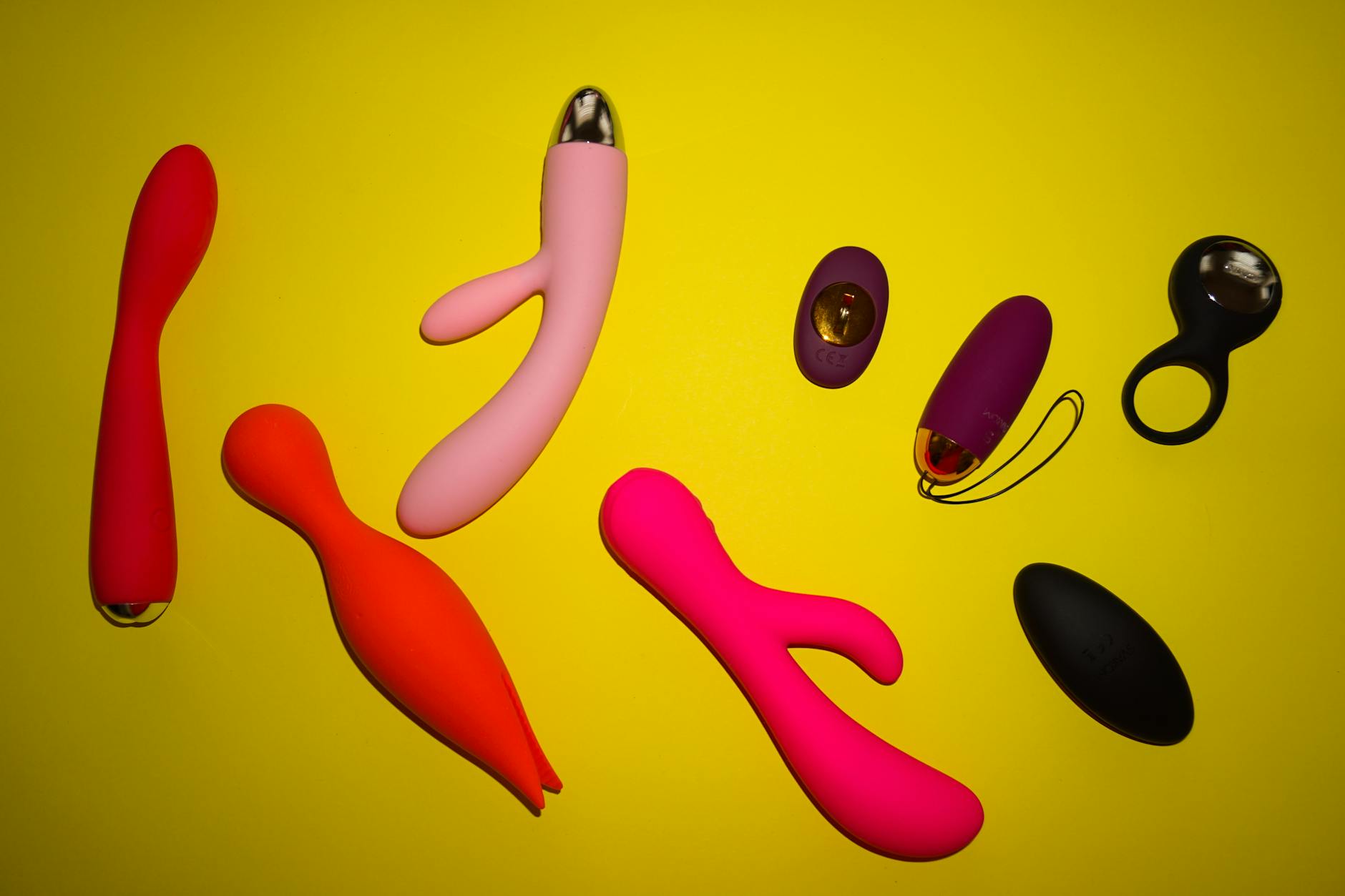
Lemon vibrators, especially the suction-based technology of the Lem, work particularly well during this transition because they don't rely on the kind of repetitive friction that can feel irritating when tissue is thinning. Suction stimulates the clitoris and surrounding nerves differently, which means your body might respond faster and with less discomfort. That matters when your hormones are making everything feel a little more sensitive than usual.
Why your body feels different during perimenopause
Three major shifts happen during perimenopause, and they all affect pleasure.
First, estrogen fluctuates wildly. Your vaginal and vulvar tissue gets less hydration and plumps less quickly with arousal. This doesn't mean lubrication disappears. It means your body needs more time to produce it naturally, or you'll want to add a good water-based lube to avoid friction that feels uncomfortable.
Second, progesterone drops relative to estrogen in some cycles, then flips. This affects your nervous system's baseline anxiety level. Higher progesterone cycles tend to feel calmer and more able to relax into pleasure. Lower progesterone cycles might feel more irritable, scattered, making focus on sensation harder.
Third, your pelvic floor is getting less estrogen support, which can make it tighten defensively. A tighter pelvic floor changes how orgasms feel. They might feel shallower, more localized, or harder to trigger. It also means your whole pelvic region might feel more tense going into a pleasure session.
None of this means your clitoris has stopped working. Your neural pathways for pleasure are intact. Your capacity for orgasm is absolutely still there. The access route is just shifting.
How lemon clitoral vibrators adapt to hormonal fluctuation
Here's why lemon vibrators, specifically the suction-style ones, work so well during this transition.
Traditional vibrators rely on direct mechanical vibration against tissue. When your vulvar and vaginal tissue is thinner and more sensitive, that direct friction can feel too intense, irritating, or even painful. A lemon sucker uses air-pulse technology instead. It creates a gentle seal around the clitoris and delivers waves of suction and release rather than constant vibration.
That mechanism matters during perimenopause because your tissue needs gentler stimulation at baseline. The suction gently engorges the clitoris over time without grinding against it. Most people find they get aroused faster, orgasm more reliably, and experience less discomfort with this approach compared to traditional vibrators during hormonal fluctuation.
The Lem's variable intensity patterns also help. You can start at pattern one or two (softer, more rhythmic) and build up only if you want to. You're not locked into the intensity level of an older vibrator. That flexibility is crucial when you don't know week to week whether your tissue will feel more or less sensitive.
Adjusting your routine month to month
One of the most useful things I've found in my practice is helping clients develop a flexible approach to pleasure during perimenopause rather than expecting one routine to work every single time.
Start tracking your cycle loosely, or at least notice when you feel most aroused and when you feel least. During the follicular phase (first two weeks after menstruation), estrogen is rising, your body probably produces lubrication more quickly, and arousal might build faster. During the luteal phase (second two weeks), progesterone is higher initially, then both drop. This is often when sensation feels duller or requires more focus.
During high-estrogen weeks, you might use the Lem at a higher intensity level. During lower-estrogen weeks, start lower and let arousal build naturally. Keep water-based lubricant on hand in both phases, but especially during the luteal phase. The physical difference week to week is real, and adjusting your approach removes friction (emotionally and physically) from the equation.
Warm-up time matters more now. Budget 15 to 20 minutes of non-goal-oriented touch before introducing the Lem. Massage your own body, use your hands, involve your partner if you have one. This isn't foreplay in the traditional sense. It's nervous system priming. Arousal during perimenopause builds more slowly because your baseline hormone levels are lower, even at peaks. Your system needs time to recognize that pleasure is happening.
The pelvic floor piece nobody mentions
One of the most underrated tools during perimenopause is actually learning to relax your pelvic floor, not just strengthen it. Yes, Kegels are good. But if your pelvic floor is staying clenched because of lower estrogen support, no amount of Kegel squeezing will help.
Try this before using your Lem. Lie down and place your fingers just inside your vagina or imagine you're doing this. Notice where you're holding tension. Most people with perimenopause tension hold it in the back wall of the pelvic floor or around the urethral sponge. Consciously relax those muscles. Breathe into your belly rather than your chest. Think about your pelvic floor as a hinge that opens and closes, not a locked door.
This relaxation is what allows arousal to build and what makes the Lem's suction more effective. If your pelvic floor is clenched, suction can't engorge tissue properly, and the sensation might feel uncomfortable rather than pleasurable. A 30-second relaxation breath before you start using your vibrator changes the whole experience.
If pelvic floor tension is severe, a few sessions with a pelvic floor physical therapist can be transformative. They can identify exactly where you're holding and give you targeted release work. Then you'll come back to the Lem and feel the difference immediately.
When to bring a partner into the shift
If you have a partner, this is also a good moment to have a clear conversation about what's changing and what you need. The conversation matters more than the mechanics.
Say something like: "My body is shifting right now, and I'm noticing that arousal is slower to build and feels different. I want to keep exploring pleasure together, and I need us to slow down and extend warm-up time. Also, I might need more lube than before, and that's totally normal." That's it. You're naming what's real and setting expectations.
If your partner is initiating more than you're wanting to in certain cycles, you can say: "This week I'm in a phase where I need more time and gentleness. Can we plan something where we have 30 minutes and can move slowly?" That removes surprise and rejection from the equation. You're both working with your body's current reality rather than expecting your pleasure to operate on last year's schedule.
Many couples find that bringing a tool like the Lem into partnered play during perimenopause actually deepens things. Your partner can explore using it on you, which adds novelty and takes the pressure off you to self-stimulate exactly right every time. That collaborative approach often builds more intimacy than trying to force the old routine to keep working.
Lubrication and tissue care during this phase
Lubrication is not optional during perimenopause. It's not a sign of dysfunction. It's basic tissue support.
Water-based lubes are your best bet if you're using the Lem or any silicone toy, because they won't damage the material. Apply it generously around your vulva and inside your vagina before starting. Reapply if things feel dry during use. Your body might produce additional lubrication once arousal builds, but you're not waiting for that. You're setting your tissue up for success from the start.
Beyond lube, vaginal moisturizers used a few times weekly can help shift the baseline tissue hydration. Products with hyaluronic acid or aloe work well. These aren't lube. They're daily support that helps your tissue stay plumper and more resilient. If you're in a phase where dryness is really affecting your quality of life, talk to your doctor about topical estrogen. It's safe, it works, and it's worth it.
The mental piece is as important as the physical one
Here's what I see happen with clients during perimenopause: the physical changes are real, but the mental story people tell themselves often amplifies the problem.
You feel pleasure is slower to build, so you start thinking you're broken. You notice your orgasms feel different, so you convince yourself they're worse. You need lube now when you didn't before, and somehow that means you're aging out of sexuality. None of that's true, but those thoughts change your nervous system state. Anxiety constricts blood flow. It tightens your pelvic floor. It makes the actual physical challenge worse.
The antidote is reframing. Slower arousal means you get to spend more time in the pre-orgasmic state, which is often the most pleasurable part. Different orgasms might actually be more interesting than samey ones. Lube isn't a sign of decline. It's a tool that makes sensation better. These aren't consolation prizes. They're genuinely true and useful ways to think about what's happening.
When you reach for the Lem during perimenopause with the mindset of "I'm exploring what my body enjoys right now" rather than "I'm trying to recreate what used to work," everything shifts. Your body relaxes. Your pleasure builds more easily. You actually enjoy the experience rather than resenting it.
Frequently asked questions about lemon vibrators and perimenopause
Will using a lemon vibrator during perimenopause make my body adjust to it and lose sensitivity?
No. This is a common fear, but it's not how your body works. The Lem doesn't cause desensitization the way some people worry about with intense vibration over years. In fact, during perimenopause, using a tool like the Lem that works with your changing tissue sensitivity actually keeps your neural pathways engaged. You're less likely to experience numbing because you're not fighting against discomfort.
How often can I use a lemon clitoral vibrator during perimenopause?
As often as you want. There's no limit. Some people use them daily, some weekly. During perimenopause, your body might actually benefit from regular pleasure sessions because they maintain blood flow to genital tissue and keep your nervous system primed for arousal. Pleasure is good for tissue health, especially during this transition.
Does the Lem work better at certain points in my cycle during perimenopause?
Most people find the Lem works well throughout their cycle, but you might notice it feels best during higher-estrogen phases when your tissue is more plump and responsive. During lower-estrogen weeks, you might want to spend more time warming up and use a bit more lubricant. The tool itself stays equally effective. Your body's readiness shifts.
Should I stop using a lemon vibrator if penetration feels uncomfortable during perimenopause?
Clitoral vibrators like the Lem don't involve penetration, so they're often a better choice during perimenopause than penetrative toys. You're stimulating the external clitoris and surrounding nerves, which usually feels comfortable even when vaginal tissue is sensitive. If external stimulation also feels uncomfortable, check in with your doctor about tissue thinning (GSM), because it's very treatable.
Can I use lemon sexual toys with a partner during perimenopause if my sex drive feels lower?
Absolutely. Lower desire during certain perimenopause phases is super common and doesn't mean you can't enjoy pleasure. Sometimes having a partner involved with a tool like the Lem actually helps because there's novelty and someone else is managing the stimulation. You can focus on sensation rather than performance. That often brings desire back naturally.
What if a lemon vibrator feels too intense during perimenopause?
Start with the lowest intensity setting and the gentlest pattern. The Lem's design is actually gentler than traditional vibrators at baseline because suction is less jarring than vibration. But if even the lowest setting feels too much, you might benefit from a warm-up period where you use your hands first, or try using the Lem over clothing initially to experience the sensation through a barrier before direct contact.
Here's what matters most
Perimenopause is a transition, not a decline. Your body is changing, and that's worth acknowledging and working with rather than fighting against. Lemon vibrators, especially suction-based ones like the Lem, are designed in a way that actually works better with your shifting tissue and hormone levels than older vibrator technology.
The real shift is in how you approach pleasure during this phase. Slower arousal, more lube, a bit more flexibility week to week, and a mental reframe from "what's wrong with me" to "what does my body enjoy right now." That's the whole toolkit. Everything else is implementation.
If you're curious about how different pleasure tools work with your specific body, or if you want to talk through what's changing and what might help, reach out. That's what we're here for.
Sources
American College of Obstetricians and Gynecologists. (2021). "The Menopause Years." Patient education resource.
Gardner, J., & Gall, V. (2010). "Vulvovaginal Health in Perimenopause and Menopause." Climacteric, 13(4), 331-337.
Goldstein, I., et al. (2019). "Genitourinary Syndrome of Menopause: A Review of the Evidence." The Journal of Sexual Medicine, 16(11), 1697-1721.
Hartmann, U. (2009). "Female Sexuality and Sexual Dysfunction." Deutsches Ärzteblatt International, 106(16), 269-275.