Here's what nobody tells you when you start antidepressants
Your doctor will warn you about nausea, sleep changes, and maybe emotional blunting. What they often gloss over: sexual response gets weird. Not broken. Weird. Your body needs longer to warm up, orgasms feel distant or absent, desire flattens. It's temporary for most people, but "most" and "you" are two different categories when you're the one sitting in that reality.
That's where lemon vibrators come in. Not as a workaround, but as a tool that works differently with how your nervous system is currently functioning.
Why antidepressants change sensation in the first place
SSRIs and SNRIs work by changing serotonin and norepinephrine circulation in your brain. That includes the regions governing arousal. Simultaneously, many antidepressants reduce dopamine signaling in the pleasure circuits. Your libido, your ability to orgasm, and the intensity of sensation all get caught in that net.
This is not your fault. It's pharmacology. Your brain is literally being asked to work differently, and sexual function is one of the territories that gets reorganized in the process.
Here's the part that matters: this adaptation is usually temporary. Most people regain baseline sensation and desire within 4 to 8 weeks. Some shift faster. Some take longer. A small percentage need medication adjustments or additional medications to counter the sexual side effects. But the starting period is almost always an adjustment tunnel.
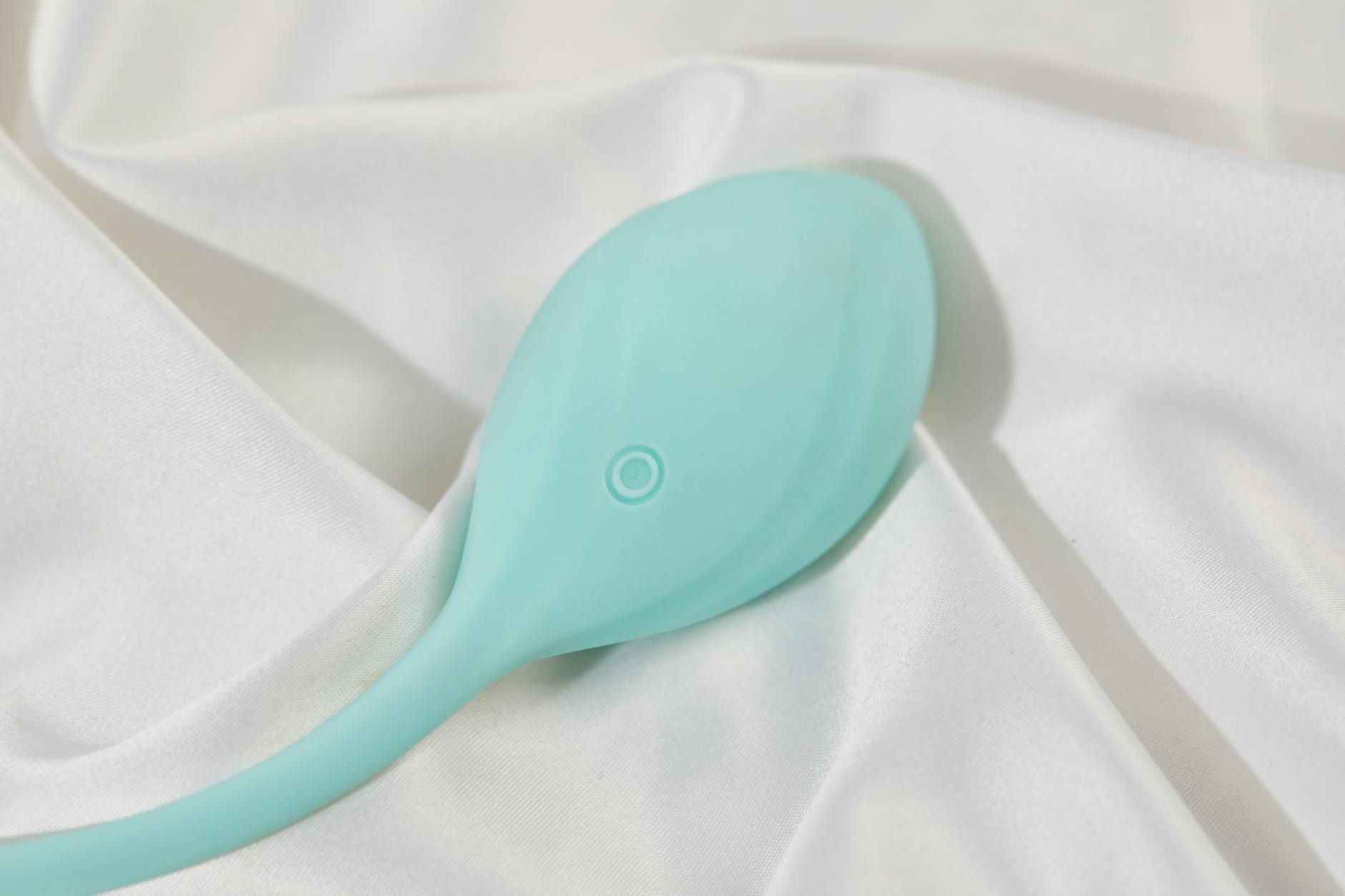
Lemon clitoral vibrators make that tunnel shorter and less frustrating because they work with, not against, what your nervous system can currently do.
How lemon vibrators are different when sensation is muted
Standard vibrators rely on frequency and intensity to trigger pleasure. When you're on antidepressants in the first month or two, your nerve endings are less responsive to conventional vibration alone. You need more sensation to feel anything, or you feel sensation but can't translate it into arousal.
Lemon vibrators use air-suction technology instead. This changes the game.
Suction stimulates nerves through gentle, rhythmic pressure rather than buzz. It creates a pulling sensation that registers differently in your nervous system than vibration does. Many people report that lemon clitoral vibrators feel noticeable when traditional vibrators feel like nothing. Others say the sensation is so distinct that it bypasses the numbness entirely.
The mechanism is simple: suction doesn't require the same baseline sensitivity that vibration does. Your tissue and nerve endings respond to the physical change in pressure, even when serotonin reuptake inhibitors have temporarily dampened your pleasure circuits.
The realistic timeline for pleasure return
Weeks 1 to 3 of most antidepressants: This is often the worst window for sexual function. Your body is adjusting. Libido tanks, sensation mutes, arousal takes deliberate effort. Using a lemon vibrator now is less about "getting off" and more about maintaining a connection to your own pleasure.
Weeks 3 to 6: Sensation often starts returning. You might feel the stimulation but struggle with orgasm, or vice versa. This is normal. Your brain is still reorganizing. Lemon clitoral vibrators become genuinely useful here because they're sensitive enough to work with partial arousal.
Weeks 6 to 8 and beyond: For most people, baseline sensation returns close to normal. Desire creeps back. Some people find their sensitivity actually exceeds what it was before, because they've learned to use tools like lemon vibrators that work more efficiently with their body's actual wiring.
Three things matter during this timeline: patience with yourself, consistency with your medication, and honest communication with your prescriber if things aren't improving by week 6.
Practical adjustments that actually help
If you're starting antidepressants and own a lemon vibrator, here's what changes:
Start with the gentlest pattern. Most clitoral vibrators, including lemon toys, have multiple intensity levels. Many people new to antidepressants make the mistake of cranking the intensity immediately, assuming they need maximum power to feel anything. That's wrong. Your nerves are still there. They're just muffled. Start at pattern 1 or 2 and let your body find the sensation.
Give yourself longer warm-up time than usual. If you normally take 5 to 10 minutes before using a vibrator, budget 20 to 30 now. Your arousal isn't broken. It just builds slower while your system recalibrates. This isn't wasted time. It's the actual work of transition.
Use lemon vibrators solo first. If you have a partner, solo exploration during this window isn't withdrawal. It's intelligence. You're learning how your nervous system works right now, without the pressure or performance dynamics that can spike anxiety and make everything harder. Once you know your own body in this state, partnered sex gets easier.
Lubricant becomes essential. Antidepressants can reduce natural lubrication. Water-based lube makes a lemon vibrator more effective and more comfortable. It also reduces friction that can feel irritating when sensation is already muted.
When to talk to your doctor about sexual side effects
Here's the honest bit: sometimes lemon vibrators and patience aren't enough. If by week 6 or 7 pleasure hasn't returned materially, your sexual function has completely vanished, or the side effects are affecting your quality of life, loop in your prescriber.
Options exist. Your doctor can suggest timing adjustments (taking your dose at night instead of morning, for example). They can add a medication that counteracts sexual side effects. They can trial a different antidepressant altogether. None of these conversations are shameful or unusual. Sexual function is a legitimate part of quality of life, and good prescribers know this.
The Gottman Method research shows that couples who maintain physical intimacy during mental health treatment transitions have significantly better outcomes long-term. This isn't about forcing sex when you're not interested. It's about maintaining the thread of physical connection, even in smaller ways. A lemon vibrator can be part of that thread.
The relationship piece nobody talks about
If you have a partner, be direct early. "I'm starting antidepressants. Sexual response might change for a few weeks. That's normal and temporary." Most partners respond well to honesty. What tanks relationships during this transition is silence, followed by a partner interpreting muted desire as loss of attraction.
If you're partnered, lemon vibrators can be a shared tool. Using one with your partner present, or letting them watch, or incorporating it into partnered sex once you've learned your own response can actually deepen connection. It's not a replacement for sex. It's an adaptation that works.
If you're single, this is your time to explore without performance pressure. Use a lemon vibrator to reconnect with your own pleasure. Your nervous system is reorganizing. That's actually a window of neural plasticity. You might discover new things about your pleasure that stick around.
The bottom line
Starting antidepressants changes sexual function temporarily. Lemon clitoral vibrators work well during this period because suction-based stimulation bypasses some of the numbness that traditional vibration can't touch. Patience, consistency, and honesty with yourself and your doctor matter more than the tool itself. But having the right tool makes the window much less frustrating.
Your pleasure matters. Your mental health also matters. These aren't competing priorities. They're part of the same nervous system learning to function differently. Give yourself 6 to 8 weeks before deciding anything is permanently changed.
FAQ: Your questions answered
How do I know if my lack of orgasm is from the antidepressant or something else?
Timing is the biggest clue. If you had normal orgasms before starting medication and none or very few afterward, it's antidepressant-related. The second clue is that sensation might feel muted overall, not just during sex. You might notice food tastes less vivid, colors seem less bright, emotions feel flattened. That's serotonin reuptake affecting multiple systems, not just pleasure. Talk to your prescriber if this pattern matches. It's fixable.
Can I use lemon vibrators while I'm adjusting to antidepressants if I've never used one before?
Absolutely. Actually, this is an ideal time. You're learning how your body works in a new neurochemical state. Starting with a lemon vibrator means you're not comparing it to how you used to respond. You're building a baseline for what works now. Once your body stabilizes on the medication, you'll have that knowledge built in.
Will using a lemon vibrator make the sexual side effects worse?
No. Using any vibrator won't deepen or extend antidepressant-related sexual side effects. What you're experiencing is a temporary neurochemical shift, not a physical degradation. The opposite is true: staying connected to your own pleasure during adjustment actually helps your brain rebuild those pathways faster.
My partner wants sex but I have no desire. Is it okay to use a lemon vibrator instead?
It's okay to use a lemon vibrator if you want to. It's also okay to say no to sex and use the vibrator alone instead. Desire will return. This is temporary. What matters is not forcing yourself into sex you don't want just to please a partner. If your partner can't accept that this is a medical side effect and not about them, that's a bigger conversation to have with a therapist. Couples counseling can really help during medication transitions.
When should my sexual function return to normal?
For most people, 4 to 8 weeks. For some, it's 2 to 3 weeks. For a small percentage, it takes 12 weeks or longer. If you're past week 8 and nothing has improved, ask your doctor about adjustments. There's no badge for suffering through it. Medical solutions exist.
Can I use lemon vibrators at the same intensity level I used before starting antidepressants?
Probably not at first. Most people need to dial back intensity while they're adjusting because sensation is muted. But this is temporary. As your body stabilizes on the medication, you can gradually build back to your baseline intensity. Think of it like physical therapy for your pleasure circuits. You're recalibrating, not breaking anything permanently.
References and further reading
For more on antidepressant sexual side effects and how to navigate them with partners, check out how lemon vibrators help rebuild intimacy after relationship conflict. If you're curious about how different bodies respond to clitoral vibrators generally, why lemon vibrators work better after antidepressants taper off covers the flip side of this transition.