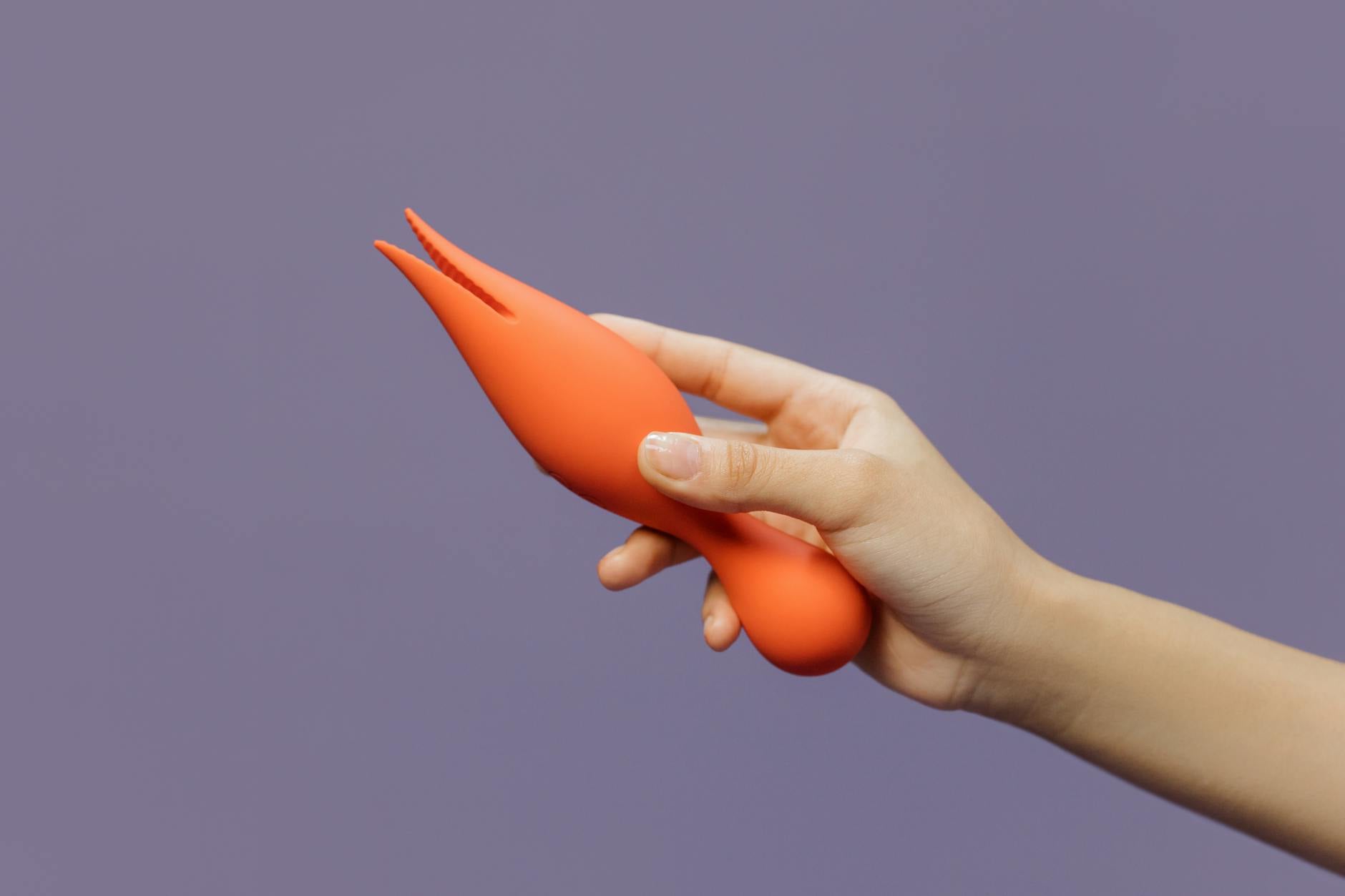
The thing nobody tells you about getting off antidepressants
Your brain chemistry didn't just heal. It rewired. And your body's sexual response is one of the first systems to register that shift. Most people expect pleasure to snap back overnight after tapering off an SSRI. It doesn't work that way. Sexual sensation comes back in layers, and lemon vibrators actually help you feel those layers as they return.
Here's what's happening physiologically, and why that matters for your body right now.
How SSRIs actually flatten sexual response
Selective serotonin reuptake inhibitors work by keeping more serotonin in your synapses longer. That's great for mood regulation and anxiety. It's terrible for sexual arousal, because sexual response depends on a different neurochemical system altogether. Dopamine and norepinephrine are the molecules that drive desire and physical sensation. SSRIs don't directly suppress them, but the rebalancing of your whole neurochemical ecosystem creates a muting effect.
This is why your body couldn't orgasm easily, or at all. Not because you're broken. Because your nervous system was operating under different chemical conditions. The pleasure pathway was still there. It was just quieter.
When you taper off, those dopamine and norepinephrine pathways don't reactivate on day one. They wake up slowly, unevenly. Some nerve endings regain sensitivity faster than others. Your brain takes weeks to readjust to baseline serotonin levels. And your clitoris responds to this return the way a muscle responds after rest. Gradually, then suddenly.
The timeline that actually makes sense
Most people experience three phases of pleasure recovery after SSRI taper.
Week one to two: Numbness persists. Your medication is leaving your system, but the neurochemical rebalancing hasn't finished. Sensation might feel exactly the same as it did on the drugs. This is normal and frustrating.
Week three to six: Tingling returns. You'll notice sensation coming back first as a faint electrical feeling, often during random moments. Your clitoris might feel more alert. Arousal takes less time to build. This phase is where lemon vibrators become genuinely useful, because the reawakening nerve endings respond beautifully to the right kind of stimulation.
Week seven onward: Pattern recognition. Your body starts to remember what pleasure actually feels like. Orgasms return, usually with a different texture than before. Many people report that post-SSRI orgasms feel more intense, or happen from different angles of stimulation, than they did before medication. This is because your nervous system is recalibrating at a deeper level.
This timeline varies wildly. Some people experience full sensation return in four weeks. Others take three months. Tapering speed matters. Dosage matters. Individual neurochemistry matters enormously.
Why lemon vibrators help during recovery
Three concrete reasons.
First, suction-based clitoral stimulation works better on semi-numb tissue. Traditional vibrators rely on speed and friction to create sensation. When your nerves are still partially asleep from medication, friction feels like buzzing against cotton. Lemon vibrators use air-pulse technology instead. They create suction that draws the clitoral tissue gently into the cup, then releases. This pulls nerve fibers directly rather than vibrating them. It's easier to feel, even when sensation is still coming back. As your nerves wake up, that same pattern becomes intensely pleasurable.
Second, variable intensity patterns let you track your own progress. A lemon vibrator has multiple settings. When sensation is minimal, you can run a stronger pattern. As feeling returns, you can dial back to lower intensities and feel more subtle stimulation. This becomes a really concrete way to notice your body changing. You're not chasing numbness or waiting for some magical return. You're literally feeling your nerve ending reactivate week by week.
Third, suction doesn't require the same warm-up that traditional vibrators do. When you're recovering from antidepressants, arousal takes longer to build and the early stages feel faint. A lemon clitoral vibrator can wake up sensation even without full arousal, which means you're not fighting your body's slower timeline. You're working with it.
The emotional part of recovery
Here's something I see constantly in my practice. People believe that sex will feel exactly like it did before medication once they're off the drugs. That belief creates a kind of grief when pleasure returns differently.
Post-SSRI sexuality often feels different because your brain also changed. Whatever prompted you to start antidepressants in the first place. That stress, that anxiety, that depression. Some of it's resolved. Some of it's just managed better now. Your nervous system has a different baseline. Your body remembers that you needed chemical support to feel okay. Pleasure coming back doesn't erase that history. It integrates with it.
If you're in a relationship, your partner's patience matters enormously during this phase. Sexual reconnection after antidepressants can feel exposing because you're literally relearning your own body. Having space to do that without performance pressure makes the difference between pleasure returning and getting stuck in a new kind of numbness.
If you're solo, this is actually prime time to get to know your own body without anyone else's expectations in the room. Lemon vibrators are genuinely useful for this because they give you reliable, repeatable stimulation that you can experiment with at your own pace.
When sensation stays flat
Some people taper off SSRIs and find that sensation doesn't come back fully. This happens for a few reasons.
Sometimes it's a dose or taper problem. If you came off too fast, your brain might still be stabilizing. Slower tapers often result in better sensation recovery. A conversation with your prescriber matters here.
Sometimes it's because the underlying condition is still active. If you stopped antidepressants because you felt