The short answer
Most people reach orgasm within 5 to 10 minutes with a lemon clitoral vibrator, compared to 15 to 25 minutes without one. Some people get there in 2 minutes. Others need 20. The speed depends on arousal level, stress, medication, and whether you're using the vibrator correctly.
Here's what nobody tells you: faster isn't better. But understanding the timeline helps you stop waiting for something to go wrong when it's actually working fine.
Why lemon vibrators cut time down
Your clitoris has roughly 8,000 nerve endings concentrated in a small area. A lemon vibrator like the Lem uses air-pulse suction to stimulate all of them at once, rather than the targeted pressure of a finger or tongue. That's not more intense. It's just differently stimulating. The pattern activates neural pathways faster, which means arousal builds quicker.
The science backs this up. Studies on clitoral vibrators show they reduce time to orgasm by an average of 3 to 5 minutes compared to manual stimulation. Some people see much bigger jumps. Others barely notice a difference. Both are completely normal.
The other factor: psychological. Knowing the tool is doing the work means less performance pressure. When you're not thinking about whether you're "taking too long," arousal actually accelerates. Stress hormones drop. Blood flow increases. Everything works faster when your brain isn't in the way.
The factors that actually move the needle
Baseline arousal level before you start. If you're walking in already warmed up (good day, anticipation, previous foreplay), you might hit orgasm in 3 minutes. If you're starting cold, it could be 15. Neither is slow. Your body just needs a longer on-ramp.
Stress and cortisol. A bad day at work, money anxiety, relationship tension. These live in your nervous system and actively block arousal. A lemon vibrator can't fix that. Some people need to journal, walk, or talk it out first. Others need to let their nervous system settle for 20 minutes before the vibrator even registers.
Medications. SSRIs, some blood pressure meds, and hormonal birth control can slow orgasm. This isn't a vibrator problem. It's a medication problem. If you're on something that affects sexual response, mention it to your prescriber. Often alternatives exist.
Clitoral sensitivity. Some people's clitorises respond instantly to vibration. Others need gradual buildup. If you jump straight to maximum intensity, you might go numb instead of getting there faster. Starting on pattern 1 or 2 on the Lem actually cuts total time because sustained, gentler stimulation works better than early overload.
Hydration and cycle timing. If you're dehydrated or in certain parts of your menstrual cycle, arousal takes longer. This isn't dysfunction. It's biology. Knowing which days of your cycle feel easier can help you plan when to prioritize pleasure.
What "normal" actually looks like
Here's the range I hear from people using lemon clitoral vibrators:
Under 3 minutes: usually people with high baseline arousal or those who've trained their body to respond to a specific pattern. It's fast, but it's not the goal. Speed doesn't equal satisfaction.
5 to 10 minutes: the median. Comfortable, predictable, feels like the right amount of buildup without stalling out.
15 to 20 minutes: still within the healthy range. Often means you needed longer to warm up or you were distracted at the start. Once you settle in, you get there. This is where many people land when they're new to vibrators or dealing with stress.
Over 20 minutes: might mean the pattern isn't quite right for your body, the intensity is off, or there's mental interference. This is worth adjusting, because pleasure shouldn't feel like a task.
Not reaching orgasm at all: separate issue, worth investigating. Could be the device, could be arousal blocks, could be medication. How to Use Lemon Vibrators for Maximum Pleasure and Comfort walks through troubleshooting.
How the Lem design specifically affects speed
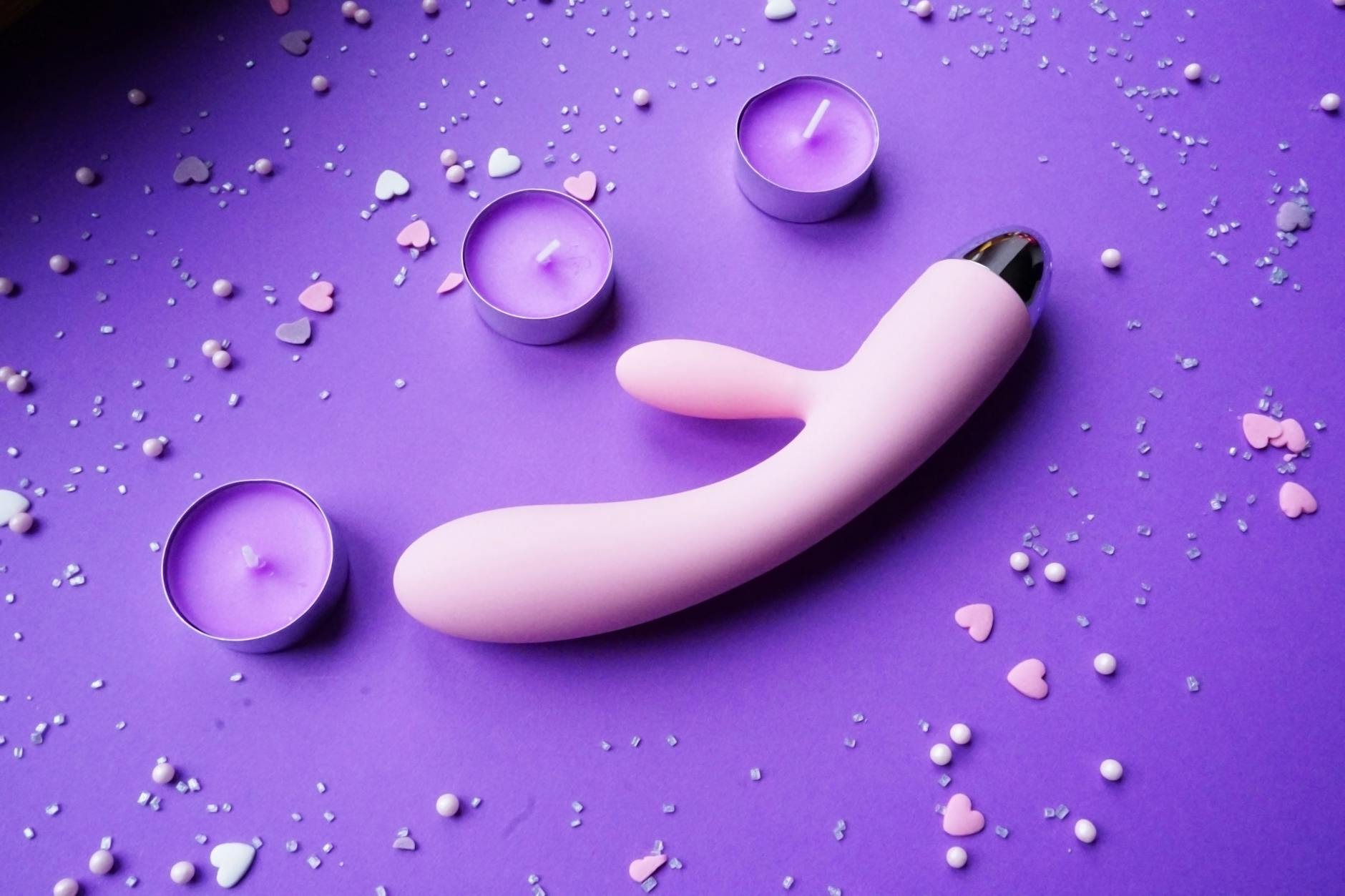
The Lem vibrator uses air-pulse suction rather than vibration alone. That matters for timing. Here's why:
Traditional vibrators stimulate the clitoris through constant movement. Effective, but your body can adapt (habituation). After 10 minutes of the same rhythm, you might actually feel less sensation, not more.
Air-pulse suction creates a pulsing sensation that feels more like manual stimulation but more consistent. Your nervous system doesn't adapt to it the same way. That's why people often report better results faster. The pattern itself keeps your arousal on an upward curve instead of plateauing.
The opening of the Lem also matters. It's shaped to seal around the clitoris without covering the whole vulva, which concentrates the sensation. You're not trying to stimulate a wider area. You're focused on the area that actually produces orgasm. Focused stimulation equals faster time to climax.
The mental side (and why it might matter more)
I work with a lot of couples navigating pleasure timing, and here's what I've learned: expectation and self-consciousness are the actual speed limiters.
If you're thinking "I should be done by now" or "Why is this taking so long?" your nervous system reads that as a threat. Cortisol spikes. Arousal tanks. Now you're 15 minutes in and farther away than when you started.
The lemon vibrators help with this because they're efficient. You see results. But the real shift happens when you stop watching the clock. Some of my clients report that the first time they used the Lem, they were nervous about noise or duration or whether they were "doing it right." Once they got past that and just let it work, time stopped being the question.
How to optimize for your timeline
If you're waiting longer than feels good and want to speed things up, try these:
Start with longer foreplay. Ten minutes of manual stimulation or partnered touch before you introduce the vibrator cuts your overall time significantly. Your body's already primed. The vibrator just takes it the rest of the way.
Experiment with patterns. The Lem has multiple settings. Don't assume the strongest pattern is fastest. Many people peak faster on medium intensity because it's sustainable without numbness.
Use lube. Water-based lubricant increases clitoral sensitivity and often reduces time to orgasm by a minute or two. It's not because something's wrong without it. It's because more glide means more stimulation.
Talk to your partner about the timeline if you're with someone. If they know you usually need 10 to 15 minutes with the vibrator, they can relax and stop monitoring. That alone reduces pressure and usually speeds things up.
Let your mind wander. Seriously. Performance anxiety kills arousal. The moment you stop thinking about the destination and let your brain drift, your body catches up.
People also ask
Is it normal to take 20 minutes to orgasm with a clitoral vibrator?
Completely normal. Everyone's nervous system responds differently. Some people need longer buildup, some have medication side effects, some are dealing with stress. Twenty minutes with a lemon vibrator is still faster than most people manage without one. Time isn't the metric that matters. Satisfaction is.
Why do lemon clitoral vibrators work faster than other toys?
The design. Lemon vibrators use air-pulse suction that stimulates clitoral nerves differently than traditional vibration. The sensation is more consistent, your body doesn't adapt as quickly, and the focused opening concentrates stimulation on the area that produces orgasm. That efficiency translates to faster response.
Can you use a lemon vibrator too much and need longer to finish?
Yes, but it's not because the vibrator breaks your sensitivity. It's habituation. If you use the same pattern every single day, your nervous system adapts and starts to tune it out. Switching up patterns, taking breaks, or trying different intensities resets that. Why Lemon Vibrators Feel Different After Hormonal Changes covers this more.
Does the Lem vibrator work faster if you start on the highest setting?
Often the opposite. High intensity can numb the area instead of stimulating it. Most people get there faster by starting on pattern 1 or 2, letting arousal build, then increasing intensity. The gradual buildup is what triggers orgasm, not shock and awe.
What if a lemon vibrator isn't getting me there at all?
First check: is the pattern right for your body? Second: are you warm enough beforehand? Third: is stress or medication in the way? If none of those, try longer foreplay or a different position. Some people need specific angles to hit the nerve pathway that triggers orgasm. Trial and error is normal here.
Does time to orgasm with a lemon vibrator change during your cycle?
Yes. Estrogen and testosterone peak at different points, which affects clitoral sensitivity and arousal speed. Around ovulation, orgasm often comes faster. Before your period, you might need longer. This isn't malfunction. It's your body shifting. Knowing your own cycle helps you set realistic expectations.
The takeaway
Speed matters less than you think. A lemon clitoral vibrator shaves minutes off because it's efficient and focuses directly on the tissue that produces sensation. But whether you finish in 3 minutes or 20, if you're enjoying the experience and feeling satisfied, the timeline is right.
Stop timing yourself. Start paying attention to sensation. The faster you stop watching for the finish line, the faster you usually get there anyway.
If you have specific concerns about time to orgasm or anything's changed, contact us or talk to a healthcare provider. You deserve pleasure that feels easy and good.