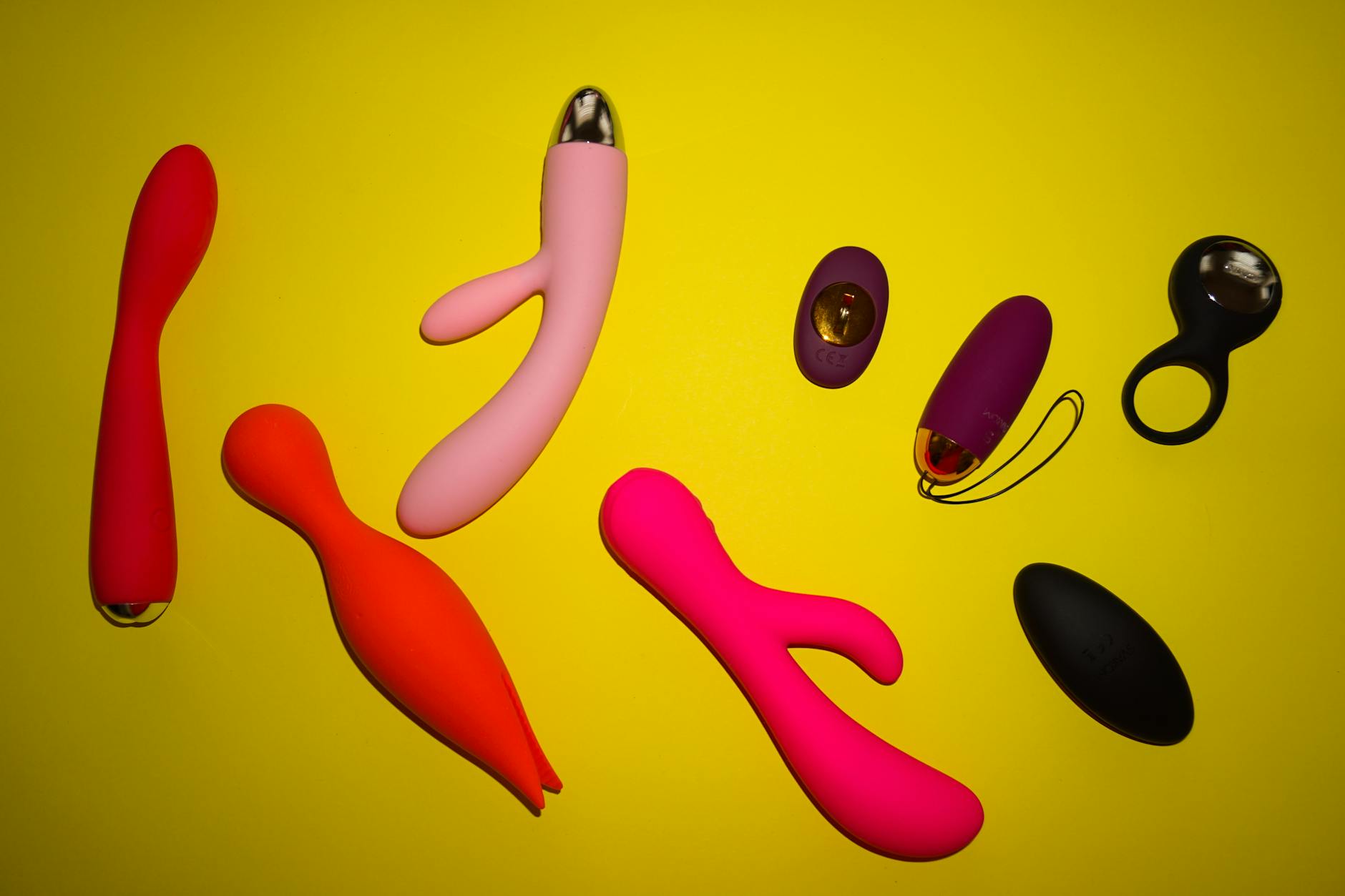
Here's the thing about antidepressants and arousal
You started SSRIs or SNRIs because your mental health needed them. They work. Your mood is steadier, anxiety is lower, you can think clearly. And then something else happens. The clitoral vibrator that used to work in five minutes now takes fifteen. Or doesn't work at all. Or requires a completely different approach.
This is not in your head. It's not a sign the medication is wrong. It's a known, measurable side effect that affects somewhere between 40 and 60 percent of people taking serotonin-based antidepressants. And almost nobody explains what's actually happening or how to work with it.
Why SSRIs and SNRIs change arousal timing
Serotonin is involved in orgasm. Not desire, not lubrication, not the ability to feel pleasure. But the final step. The neurotransmitter cascade that moves you from aroused to climax is mediated in part by serotonin. When you increase serotonin to steady your mood, you inadvertently raise the threshold for that cascade.
It's like turning up the thermostat. The heat is still there. The system still works. But it takes longer to reach the temperature you're aiming for.
This matters because most people assume it's psychological. They think they've lost desire, or their partner has stopped being attractive, or the antidepressant is fundamentally broken. None of those are true. Your brain chemistry has shifted in a specific way that makes one particular thing harder to achieve, not impossible.
The second change is sensation dampening. Serotonin also plays a role in sensory intensity. Some people describe it as feeling slightly numb even when stimulation is happening. Others say the physical sensations are present but feel muted, like they're coming through a filter.
The timeline you need to know
Three to six months is the typical window. Your body is not broken. It's adapting. Many people find that by month four or five, their arousal response starts shifting back closer to baseline, even while they're staying on the medication.
If you're at month two and frustrated, that's completely understandable. You're in the adjustment window. Don't panic. Don't assume it's permanent.
If you're at month nine and nothing has changed, that's worth discussing with your prescriber. Sometimes a dose adjustment, a medication switch, or an addition like bupropion (which works differently on serotonin) can help.
What you can actually do right now
Stop expecting the old timeline. A lemon vibrator or any clitoral vibrator is still useful. But you might need to use it differently.
Extend foreplay intentionally. Not because something is wrong with you, but because your arousal curve is flatter now. Spend 20 minutes on sensation before you introduce a vibrator. Touch, kissing, mental focus. Let your body build baseline arousal first.
Use a stronger pattern if you have options. If you're using a lemon sucker like the Lem, start on one of the middle intensity settings instead of the lightest one. Some bodies respond better to deeper stimulation when sensation is muted. You're not breaking anything by using a stronger pattern. Your nervous system just needs a bit more signal.
Think about the mental container. Arousal is mediated by your brain. When sensation is muted, mental focus becomes more important. This is actually an opportunity. Many people find that they can orgasm on antidepressants if they're deeply present and focused, but not if they're half-watching a phone or distracted by grocery lists. Create deliberate space. Close the door. Put the phone in another room.
Expect it to take longer and be okay with that. If you used to orgasm in 8 minutes and now it's 20, that's not a problem. That's information. Work with it instead of against it.
Consider adding a second device for combined stimulation. Some people find that using both a clitoral vibrator and internal stimulation simultaneously helps overcome the sensation dampening. It's not a failure of one device. It's using the tools you have more strategically.
When it's worth adjusting your medication
You should not stop taking antidepressants because of sexual side effects. Full stop. Your mental health matters more. But you have options that don't involve quitting.
If orgasm is genuinely impossible after six months, or if sensation is so muted that pleasure has completely disappeared, talk to your doctor. Bupropion is an antidepressant that works through dopamine and norepinephrine instead of serotonin. It has a much lower sexual side effect profile. For some people, switching to bupropion or adding it to their current medication changes everything.
Dosage matters too. Sometimes a lower dose keeps your mood stable but reduces the sexual side effects. It's a conversation worth having.
The relationship piece
If you have a partner, this is one of those moments where directness prevents resentment. "My medication changed how my body responds to stimulation. This is not about you. Here's what helps." That's it.
Many partners immediately assume it's a desire issue. It's not. Desire might have changed, but that's a separate conversation. Keep them untangled.
Some couples find that this shift actually opens interesting conversations about pleasure and pacing. When you have to slow down and be more intentional, sometimes intimacy deepens. Not always. But sometimes.
What this doesn't mean
You're not broken. Your sexuality hasn't changed permanently. The medication is doing its job for your mental health. This is a known, temporary side effect, and it's solvable.
Your pleasure still matters. Taking time to figure out what works for you now isn't selfish. It's essential. And lemon vibrators, clitoral vibrators, and other tools are still here to help. You just might need to approach them differently for a while.
People also ask
How long do antidepressant sexual side effects usually last?
Most people see improvement within three to six months as their body adapts. Some find relief within weeks. If you're at month nine with no improvement, it's worth discussing with your prescriber. Continuing to wait without exploring options isn't necessary.
Can I use lemon clitoral vibrators more intensely to overcome the numbness?
Yes. If your lem vibrator or another clitoral vibrator has multiple intensity settings, it's completely fine to start on a higher pattern. This isn't about overuse or desensitization. It's about matching the stimulation to your current neurological state. Your body will tell you what works.
Will the side effects come back if I stop taking my antidepressant?
No. They're an active effect of the medication being in your system. Once you stop (under your doctor's guidance), the mechanism changes and arousal typically returns to your baseline. But don't stop taking antidepressants because of sexual side effects without talking to your doctor first.
Do all SSRIs cause the same level of sexual side effects?
No. Sertraline and paroxetine tend to have stronger sexual side effects. Citalopram and escitalopram are often gentler. Fluoxetine falls somewhere in the middle. If you're struggling on one medication, asking about a switch to one with a lower sexual side effect profile is a legitimate medical conversation.
Is it okay to use a vibrator more frequently to try to regain sensitivity?
The opposite usually helps more. Frequent, intense vibrator use can actually increase sensation dampening temporarily. Most people find that spacing sessions out, using lower intensity more often, and focusing on psychological arousal (fantasy, focus, connection) gets them better results than ramping up frequency.
Should I tell my partner about this side effect?
Yes, if you have a partner and your sexual life is shared. You don't need to make it a big deal. "My medication is making arousal take longer right now, and we might need to adjust our rhythm" is enough. It prevents them from internalizing the change as something about attraction or desire.
What comes next
Your antidepressant is working for what you started it for. That still matters more than anything else. The arousal piece is real, but it's solvable. Give yourself time, adjust your expectations and your technique, and if nothing shifts after six months, ask your doctor about options. You don't have to choose between mental health and sexual pleasure. You just have to be patient with yourself while your brain adapts.