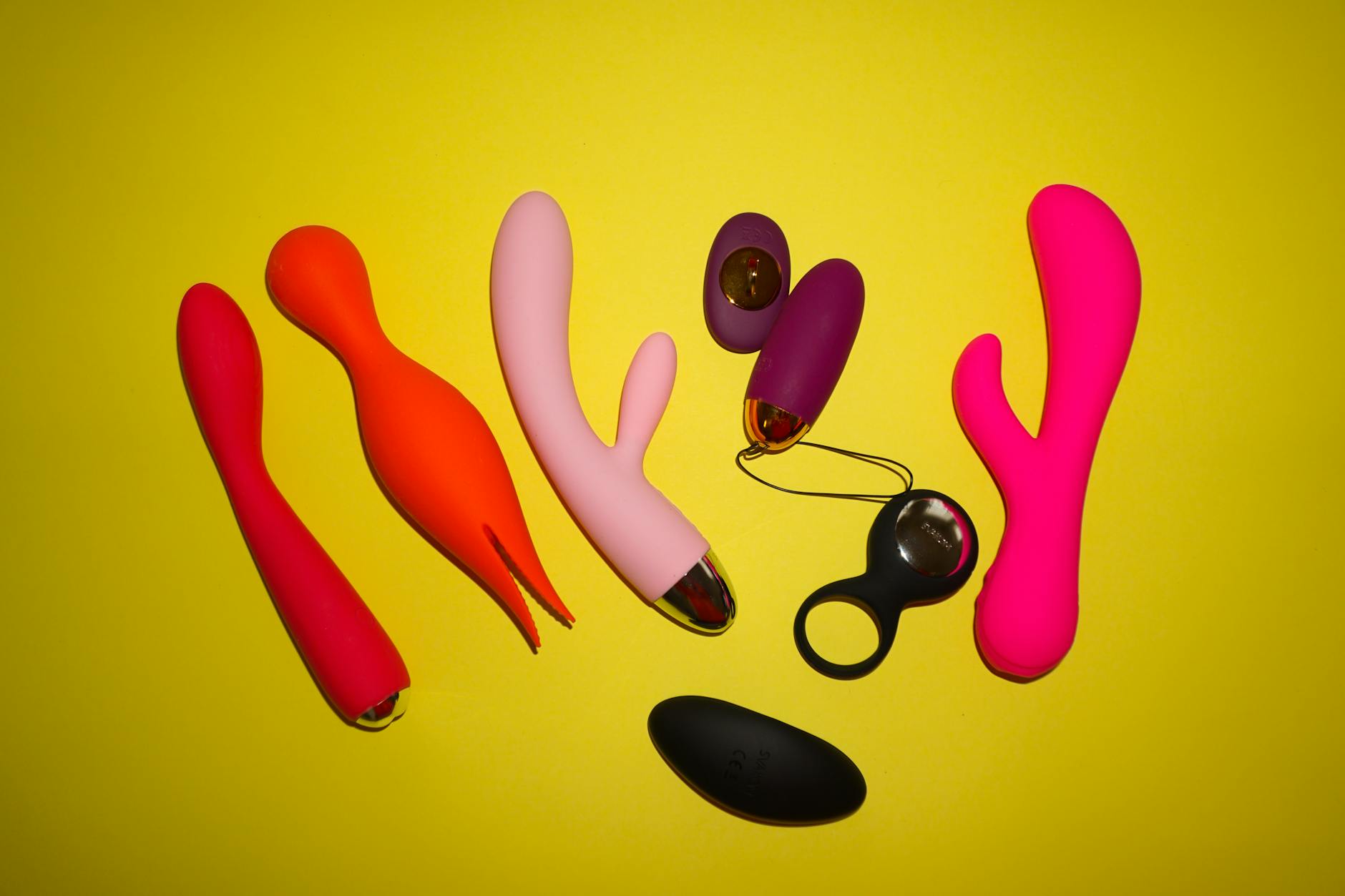
Here's the thing about intensity settings
Most people grab a lemon vibrator, turn it on, and hope for the best. Then they assume it's not working because it felt wrong. The truth is more nuanced. Intensity matters, but not in the way you think.
Your nervous system, your skin sensitivity, your arousal level, and even the time of month all change how a vibration feels. The best lemon clitoral vibrator in the world can feel terrible at the wrong intensity. And a low-intensity hum might be exactly what you need on a different day. Learning to match your body's state to the right setting is genuinely transformative.
Why intensity isn't just about "higher equals better"
I work with couples navigating intimacy shifts, and one of the most common frustrations is this: "I bought an expensive vibrator and it's either too intense or too soft. There's no middle ground." The problem isn't the vibrator. It's that most people haven't spent time learning their own baseline.
Your clitoris has about 8,000 nerve endings packed into a small space. Too much direct stimulation at high intensity can actually cause numbness through overstimulation. That's not a failure of the vibrator. That's your body protecting itself. Conversely, if you jump straight to high intensity when you're barely aroused, low settings will feel pointless.
The sweet spot exists. You just have to find it.
Low intensity: When and why it works
Low settings aren't for people who "aren't sensitive enough." They're for specific moments and specific body states.
Use low intensity when you're just beginning arousal. Your body needs time to warm up. Blood flow increases gradually. Nerve endings wake up. Starting at pattern 1 or 2 on a lemon vibrator actually trains your nervous system to respond more quickly over time. It's like a conversation starter rather than a shout.
Low intensity also matters if you're dealing with vulvodynia, post-surgical sensitivity, or if you're exploring sensation with a new partner. Air-suction vibrators like the Hello Nancy lemon design create gentler stimulation at lower patterns, which is why many people find them easier to use than traditional vibrators at the same wattage.
Another reason to reach for low intensity: you're seeking sustained pleasure rather than a quick finish. Extended sessions at moderate-to-low settings often produce deeper, more full-body responses than short bursts at high intensity. Your nervous system has time to build a sustained arousal response.
Medium intensity: The Goldilocks zone
Most people find their groove in the middle range. Not because it's universal, but because medium intensity hits a specific biological sweet spot: enough power to create clear sensation without overloading the nerve endings.
Medium intensity works well when you're already aroused. This is where you'd start after 10-15 minutes of foreplay or solo warm-up. Your body is primed. Blood flow is active. This is where rhythm patterns become more important than raw power.
Many lemon sexual toys have multiple medium-intensity options with different rhythmic patterns. Pulsing, waves, steady hum. At medium intensity, these patterns feel distinct from each other. You can actually choose based on what your nervous system is responding to in the moment.
Medium intensity also works across the widest range of body types and sensitivity levels. If you're recommending a vibrator to a partner, trying it together, or switching between devices, medium is where most people converge.
High intensity: Strategic, not default
High intensity is powerful. It's also misunderstood.
High settings are useful when you're highly aroused and seeking a specific outcome. They're tools for particular moments, not lifestyle choices. Using high intensity as your baseline trains your nervous system to become less responsive over time. That's not a limitation of lemon clitoral vibrators. That's how human neuroplasticity works with any repeated stimulus.
High intensity can also be useful during longer sessions when you're chasing a particular type of orgasm. Some people find that after 20-30 minutes of medium intensity, switching to high for the final minutes creates a different quality of release. That's worth exploring.
But here's what I see go wrong: people use high intensity constantly, then wonder why sensation dulls. Then they buy a new vibrator thinking the old one stopped working. It didn't. Their nervous system just adapted.
How to actually find your intensity baseline
This takes maybe three solo sessions. Don't rush it.
Start fully clothed and turn on pattern 1. Don't use it yet. Just listen. Get familiar with the sound. Feel the vibration in your hand. Now use it over underwear for a few minutes. Notice what you notice. Does it feel pleasant? Annoying? Interesting?
Move to pattern 2. Spend three to five minutes here. Then pattern 3. You're mapping which frequencies feel good to your nervous system.
Now remove underwear and try the same patterns against your outer labia first, not directly on the clitoris. Spend time here. This is where you learn the difference between stimulation and overstimulation.
Finally, try direct clitoral contact at each intensity level. Start low. Move up slowly. Notice where sensation shifts from pleasant to intense to uncomfortable. That's your information.
Your baseline might be pattern 1 exclusively. That's totally normal. Or you might find you love patterns 4-6. The point is to know, not to assume.
Rhythm patterns matter more than you think
Once you've found your intensity, the rhythm patterns become the real playground.
Steady hum creates a consistent, meditative sensation. Good for sustained arousal and for people who find pulsing patterns distracting.
Pulsing or wave patterns create a dynamic sensation that many people find builds arousal faster. Your nervous system doesn't get bored. Each pulse is a micro-reset.
Tempo variations, where the pattern speeds up and slows down, can create a sense of anticipation. Your body never quite knows what's coming next, which some people find deeply arousing.
Different patterns feel different at different intensities. Pattern 3 at steady might feel soothing. Pattern 3 at pulsing might feel playful. Pattern 6 at pulsing might feel almost too much. This is why lemon vibrators with multiple intensity and pattern options are worth exploring. Each combination is genuinely different.
The body state thing is real
Your arousal level affects everything. So does your cycle, your stress level, whether you've had caffeine, and how much sleep you've had.
Right before your period, increased blood flow to your genitals might make everything feel more intense. You might need to drop one or two intensity levels and use longer warm-up time. After your period, when estrogen rises, you might find you prefer higher intensity and shorter ramp-up.
Stress flattens sensation. Cortisol is a genuine dampener. If you're carrying tension into the experience, even a beloved lemon clitoral vibrator might feel meh. That's not the vibrator's fault.
Sleep deprivation does the same thing. Your nervous system is already depleted. It's not responsive to subtle stimulation. You might need more intensity or longer warm-up, or you might just need to wait until you're better rested.
This is why exploring your own patterns matters. You'll start to notice these cycles. You'll learn to adjust accordingly rather than assuming something is broken.
How to guide a partner through this
If you're using a lemon sexual toy with a partner, communication during the experience changes everything.
Start at a lower intensity than you think you want. Ask what they're feeling. "Does this feel pleasant? Should we turn it up? Do you want to try a different pattern?" These aren't awkward questions. They're the foundation of shared pleasure.
Many partners get stuck on the idea that they should "know" what works. That's performance pressure neither of you needs. Using a vibrator together is actually an invitation to communicate more clearly about sensation and desire. Lean into that.
Let them hold the vibrator first so they know the controls. Then you can guide them. Or find positions where you both can reach the controls. This collaborative exploration often deepens intimacy more than any single setting could.
A note on numbing and desensitization
If you've been using high-intensity settings exclusively and sensation is starting to feel muted, that's reversible. Take a week or two off. Seriously. Your nerve endings will reset. Then when you return, start at the lowest intensity and stay there for several sessions. You'll regain responsiveness pretty quickly.
This isn't a failure. It's how bodies work. Nerve adaptation happens with any repeated stimulus, whether it's vibrators, coffee, or background noise. The fix is to interrupt the pattern, not to buy a more powerful device.
The real skill is listening
Finding the right intensity setting for lemon clitoral vibrators is really about tuning into your body's actual responses rather than the narrative you think you should have. Not everyone loves high intensity. Not everyone needs multiple patterns. Some people genuinely prefer a simple, consistent buzz at a single low setting.
That's perfect. That's the point. The goal isn't to use all the settings. It's to use the ones that feel genuinely good to your nervous system. Everything else is just noise.
People also ask
Why does my lemon vibrator feel too intense even on the lowest setting?
A few reasons. First, you might be starting at high arousal rather than low. Try using it over underwear or during foreplay for a few minutes before direct contact. Second, some people genuinely have more sensitive nerve endings. That's not a problem. It means you're finding the right device at the right intensity. Third, if sensitivity is paired with pain, that's worth discussing with a healthcare provider. But discomfort isn't the same as intensity preference. A lower-intensity device might be a better fit for your baseline sensitivity.
Can I build a tolerance to my lemon vibrator if I use the same intensity every time?
Yes, sort of. Your nervous system adapts to repeated stimuli. That's neuroplasticity. It doesn't mean the vibrator is broken or that you need something stronger. It means you should vary your intensity and patterns intentionally. Take breaks. Use different settings. Or take a week off and reset. This is totally normal and completely reversible.
Which vibration pattern is best for reaching orgasm faster?
There's no universal answer. Some people respond fastest to pulsing patterns at medium intensity. Others need steady hum at high intensity. A few find that rhythmic variety actually speeds things up because their body stays engaged. Experiment across patterns at your preferred intensity level and notice which one creates the fastest buildup. That's your answer, not anyone else's.
Is it bad to always use high intensity on a lemon clitoral vibrator?
It's not "bad," but it's not ideal for sustained pleasure. High intensity constantly trains your nerve endings to expect maximum stimulation. Over weeks, you might find lower intensities feel less satisfying. If you love high intensity, that's genuinely fine. Just notice if sensation is shifting, and take intentional breaks to reset if you want to reclaim responsiveness to gentler settings.
How do I know if I have a sensitivity issue or just haven't found the right intensity yet?
Try this: start at the absolute lowest setting and stay there for a full solo session, at least 20 minutes. Focus on what you're noticing without judgment. If it feels pleasant, even if it's not intense enough to reach orgasm, you probably just need a slower warm-up. If it feels uncomfortable, painful, or creates any burning or irritation, that might be sensitivity worth discussing with a healthcare provider.
Can intensity settings change depending on my cycle or hormone levels?
Completely. Hormonal shifts absolutely affect sensation. In the follicular phase, when estrogen is rising, many people find they prefer slightly higher intensity and respond faster. In the luteal phase, post-ovulation, increased progesterone often creates a need for more warm-up time. You might find lower intensity feels better when you're fatigued or stressed. Learning to adjust your settings based on your cycle actually deepens self-knowledge over time.
The bottom line
Finding your ideal intensity isn't about chasing someone else's experience or assuming more power equals more pleasure. It's about getting curious with your own nervous system across different settings, body states, and patterns. Start low, go slow, and notice what actually feels good. That's how you unlock what lemon vibrators are truly designed to do.
If you have questions about finding the right product or settings for your specific needs, reach out. We're here to help.