Let's name the thing nobody says out loud
Your partner used to want you. Now they don't. Or they do, but once a month. Or they want the idea of you but not the actual you in their bed at 10 p.m. on a Wednesday. This is the most common complaint I hear in my practice, and it's also the loneliest one because most people assume it means something is broken in them.
It's not. What's often broken is the conversation. And that's fixable.
Why desire mismatches happen (and it's not what you think)
Most people assume one partner "has a lower sex drive" and the other "has a higher one," and they leave it at that. Useful framing: never. Here's what's actually happening.
Desire is not a thermostat you're born with. It's a response to feeling wanted, safe, seen, and unrushed. When a long-term partner stops pursuing you sexually, it's rarely because they stopped liking sex. It's usually because one or more of these conditions has eroded: they feel emotionally distant from you, they're stressed about something unrelated to the relationship, they're tired of initiating and getting rejected, or they've internalized the belief that they're "not that sexual" anyway.
The irony is that the lower-desire partner often isn't actually lower-desire. They're lower-initiative. And there's a crucial difference.
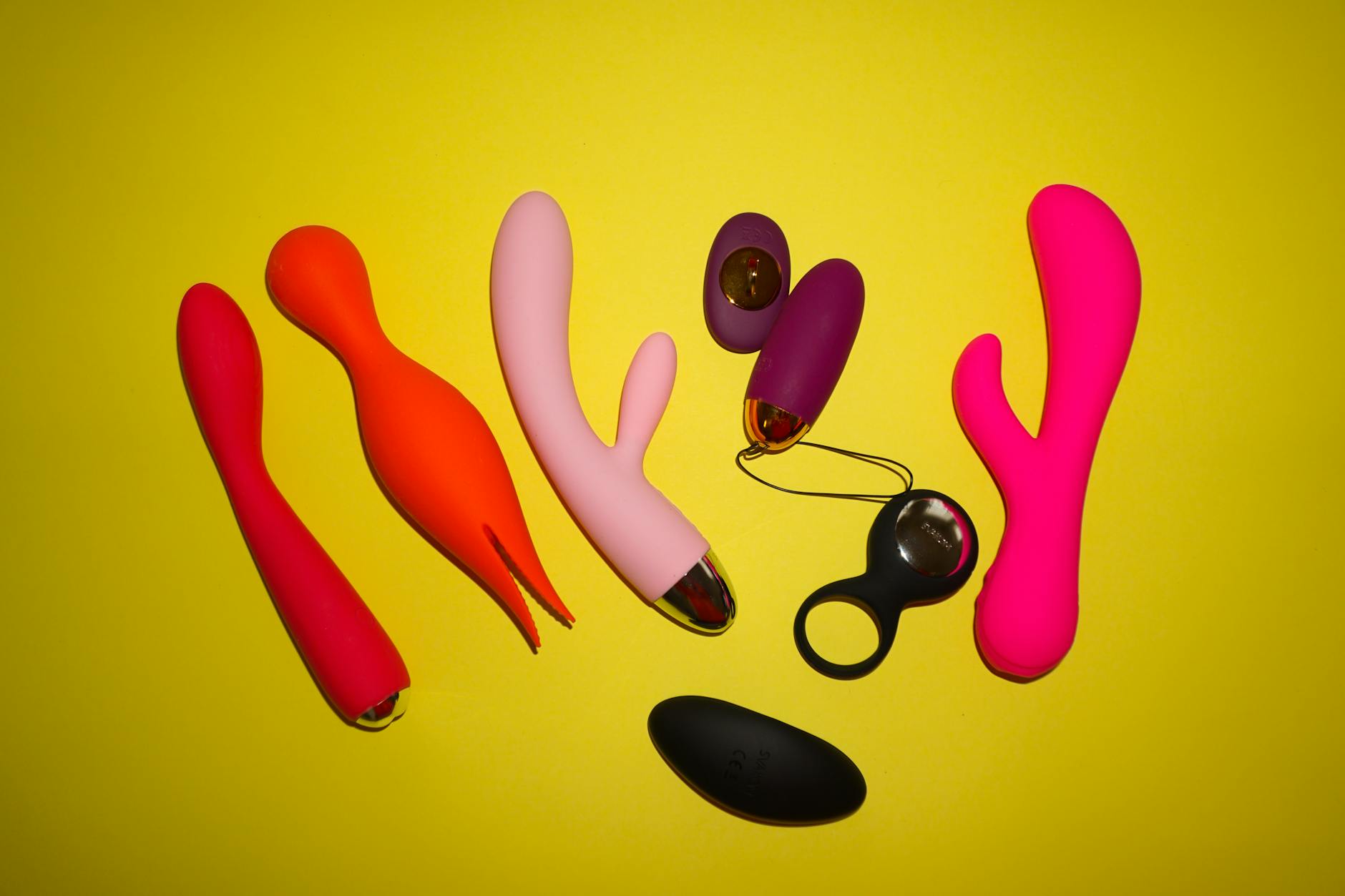
Lower-desire partners often respond beautifully when they're not doing the work. When there's no pressure to decide, no mental load of initiating, no fear of rejection. Pleasure tools like the Lem vibrator shift that dynamic entirely. They remove the negotiation from the equation.
How solo pleasure reshapes the relationship dynamic
Here's what happens when you start using a lemon clitoral vibrator on your own, with intention.
First, your nervous system settles. You're not waiting for your partner to want you. You're not tracking their mood or calibrating your own desire based on their availability. You're creating pleasure without permission, which is its own form of reclamation. That shifts something in your body. People around you feel it.
Second, you rebuild a baseline of sexual aliveness in your own nervous system. When you haven't had good sex in months or years, your body starts to forget what pleasure feels like. It stops sending you signals. Using a suction vibrator like the Lem brings sensation back online. You remember.
Third, you stop seeking validation from your partner for your sexuality. You're not performing desire anymore. You're not trying to turn them on so they'll turn you on. You're just owning your own pleasure. That's magnetic. People respond to ownership.
Many of my clients report that after three or four weeks of solo play with a clitoral vibrator, their partners suddenly become more interested. Not because the Lem is magic. Because they're no longer giving off the scent of sexual desperation. They're exuding sexual confidence. Totally different energy.
The practical setup: using lemon vibrators solo when your partner isn't interested
Three things matter here.
Schedule it like you mean it. Don't use your Lem vibrator randomly when you remember. Pick a specific time, ideally two to three times a week, and protect it like you'd protect a therapy appointment. The consistency trains your nervous system to expect pleasure. Your body starts preparing for it. Arousal builds faster.
Go slow on the settings. Lemon vibrators are suction toys, which means they're gentler than traditional vibrators, but they're also more intense in a different way. Start on pattern one or two. Spend 10-15 minutes exploring before you move to higher settings. The goal isn't to come as fast as possible. It's to reacquaint yourself with sensation.
Separate this pleasure from partnered sex. This is crucial. Solo time with your Lem is not foreplay. It's not practice for when your partner gets interested. It's its own thing. It has its own value. Treat it that way, mentally and emotionally. This prevents you from tying your pleasure to your partner's availability, which is the trap you're already in.
When to bring it into partnered sex (and when not to)
This is where people get confused. They think, "My partner isn't interested, so I'll introduce a vibrator during sex, and that will fix it."
Sometimes that works. Often it backfires. Here's why.
If your partner is already hesitant about sex, adding a new element can feel like pressure or rejection. It can feel like you're saying, "Your body isn't enough." Even if you don't mean that, that's what some people hear. Especially if they're already dealing with desire issues.
So before you even think about using your lemon clitoral vibrator together, you need to have a separate conversation. Not during sex. Not when either of you is vulnerable or partially undressed. Have it over coffee. You're saying something like: "I've been using my Lem vibrator solo, and it's helped me reconnect with my own pleasure. I'd like to explore using it with you sometimes, but only if you're genuinely interested. I'm not asking you to be more sexual. I'm asking if you'd want to explore this together, no pressure, and we can stop anytime." Then stop talking. Let them respond.
If they're curious, great. Start slow. Maybe you use it solo while they watch, or touch you, or do nothing at all. Maybe eventually you use it together during sex. There's no rush. There's no right way. The point is collaboration, not insertion of a vibrator into a dynamic that's already strained.
The harder conversation underneath all of this
Here's what I tell people in my practice: you can't vibrate your way out of emotional distance.
If your partner isn't interested in sex, and it's rooted in resentment, stress, depression, health issues, or a deep disconnection from you emotionally, a lemon vibrator won't fix that. What it will do is give you something for yourself while you do the actual work.
The actual work looks like therapy, honest conversation, maybe couples counseling. It looks like figuring out if you're both willing to rebuild intimacy, or if you've actually grown into different people. It looks like asking hard questions: Are you staying because you love them or because you're afraid? Are they checked out permanently or temporarily? Is this a season or a new reality?
The Lem vibrator is beautiful. But it's a tool for pleasure, not a relationship repair kit. Use it for what it is. Use it to take care of yourself. Use it to remember that you're a sexual being regardless of whether your partner is currently interested. Use it to build resilience and confidence. But also do the emotional work. Both things matter.
When you both want to reconnect (the actual roadmap)
Okay, so you've had the conversation. Your partner is interested in trying. Here's how to actually rebuild intimacy with a lemon vibrator involved.
First month: just you. Your partner can be in the room or not. They can touch you or watch or read. No pressure. No expectations. This destigmatizes the vibrator and shows them it's not a replacement, it's an addition.
Second month: introduce touch. Maybe your partner touches you while you use your Lem, or you use it on yourself while they're inside you, or you both explore it together without the pressure of "getting somewhere." Play. That's the whole goal.
Third month: integrate it into your regular sex if it feels right. Use it before sex to get aroused faster. Use it during sex. Use it after. Or don't. By this point, the pressure is gone. It's just another option.
The reason this matters is that it rebuilds the experience of wanting each other gradually. It removes the performance aspect. It makes sex about exploration instead of outcome. And that's where desire actually comes back.
Questions people actually ask about this
Will using a lemon vibrator make my partner feel inadequate?
Only if you frame it that way. The conversation matters. If you're introducing the Lem because "you're not enough," they'll feel it. If you're introducing it because "I want us to explore pleasure together and this is one tool," that's different. Same object, totally different landing.
What if they refuse? What does that mean?
It could mean a lot of things. They could be insecure about vibrators. They could be uncomfortable with their own sexuality. They could be depressed. They could be checked out of the relationship. A no to a vibrator isn't automatically a no to the relationship, but it's information. Pay attention to what the no actually means by asking more questions.
Can I use a lemon vibrator if I'm still having sex with my partner but it's infrequent?
Absolutely. In fact, this is one of the best times to use it. You're maintaining your own connection to pleasure. You're not waiting for your partner to activate your sexuality. You're keeping yourself alive. That's good relationship health.
Does it matter which vibrator I use if my partner is less interested?
Not really, but a suction vibrator like the Lem is particularly good for this situation because it's less intense than traditional vibrators. It feels different. It's quieter. It's less obvious. Some people feel less self-conscious using it. The design also tends to feel more like partnered sex than other toys, so it can feel less like a replacement and more like an addition.
If my partner was never sexual to begin with, can a vibrator fix that?
No. But it can help you separate your sexuality from theirs. If you're with someone who has a genuinely low libido and no interest in addressing it, you're not broken for wanting more. You're human. A vibrator won't make you okay with a sexless marriage if you're not actually okay with it. What it can do is help you live with more pleasure and authenticity while you figure out if this relationship still serves you.
What if I feel guilty using a vibrator because my partner might find out?
That guilt is information. Is it coming from shame about your own sexuality? Is it coming from a real boundary your partner set? There's a difference. If it's the first, work on that separately. If it's the second, you two need a conversation about what's okay. Hiding your pleasure isn't sustainable. Neither is resenting your partner for restricting it.
The actual point of all this
Desire mismatches in long-term relationships are common. They're also almost never permanent. What's usually happening is that someone has deprioritized pleasure, lost connection to their own sexuality, or internalized a belief that they're "not that sexual." A lemon vibrator doesn't solve relationship problems. It solves the problem of sexual disconnection from yourself. And when you reconnect with your own pleasure, the whole dynamic shifts. You stop performing. You stop waiting. You start living. And that's when your partner often wakes up and remembers why they wanted you in the first place.
Your pleasure matters whether your partner is interested or not. That's the foundation. Everything else builds from there.