Let's talk about the part nobody warns you about
Pelvic surgery does something unexpected. It doesn't just heal tissue. It rewires your relationship with pleasure itself. For weeks or months after a hysterectomy, fibroid removal, bladder repair, or any surgery in that region, your body feels like someone else's. Sensation is muted. Arousal takes longer. Touch that used to feel good might feel strange or numb or somehow too intense all at once.
Here's what I see most often in my practice: people are cleared for sex by their surgeon at the 6-week mark, then panic because nothing feels right. They assume they're broken. They're not. They're healing.
How pelvic surgery actually changes sensation
Pelvic surgery involves cutting through layers of tissue, nerves, and fascia. The surgeon does their job perfectly. But healing isn't instant. For the first 3-6 months after surgery, nerves are still regenerating. Scar tissue is forming. Blood flow to the area is redistributing. All of that changes how stimulation feels.
Some people report complete numbness in their external genitalia for weeks after surgery. Others describe hypersensitivity, where even light touch feels almost painful. Both are normal. Both are temporary.
What doesn't change: your capacity for orgasm. The neural pathways in your brain, your clitoral nerve endings (unless the surgery directly affected them, which most don't), and your fundamental ability to feel pleasure. What's actually changing is the threshold for stimulation, the speed of arousal, and the intensity of sensation along the way.
The timeline most surgeons don't explain
Here's what the standard advice looks like: "You can resume sexual activity at 6 weeks if penetration doesn't hurt." That's true. It's also incomplete.
Six weeks is when the surgical site has closed. It is not when sensation has returned. It is not when your pelvic floor has regained its normal tone. It is not when your confidence has caught up to your body's healing.
I typically counsel people to think of it in three phases.
Weeks 0-6: Healing phase. No sexual activity. Light touch on non-surgical areas is fine. Pelvic floor relaxation (not exercises yet) matters. Many people are shocked that they actually don't want sex during this phase. That's your nervous system protecting you, not a sign of permanent change.
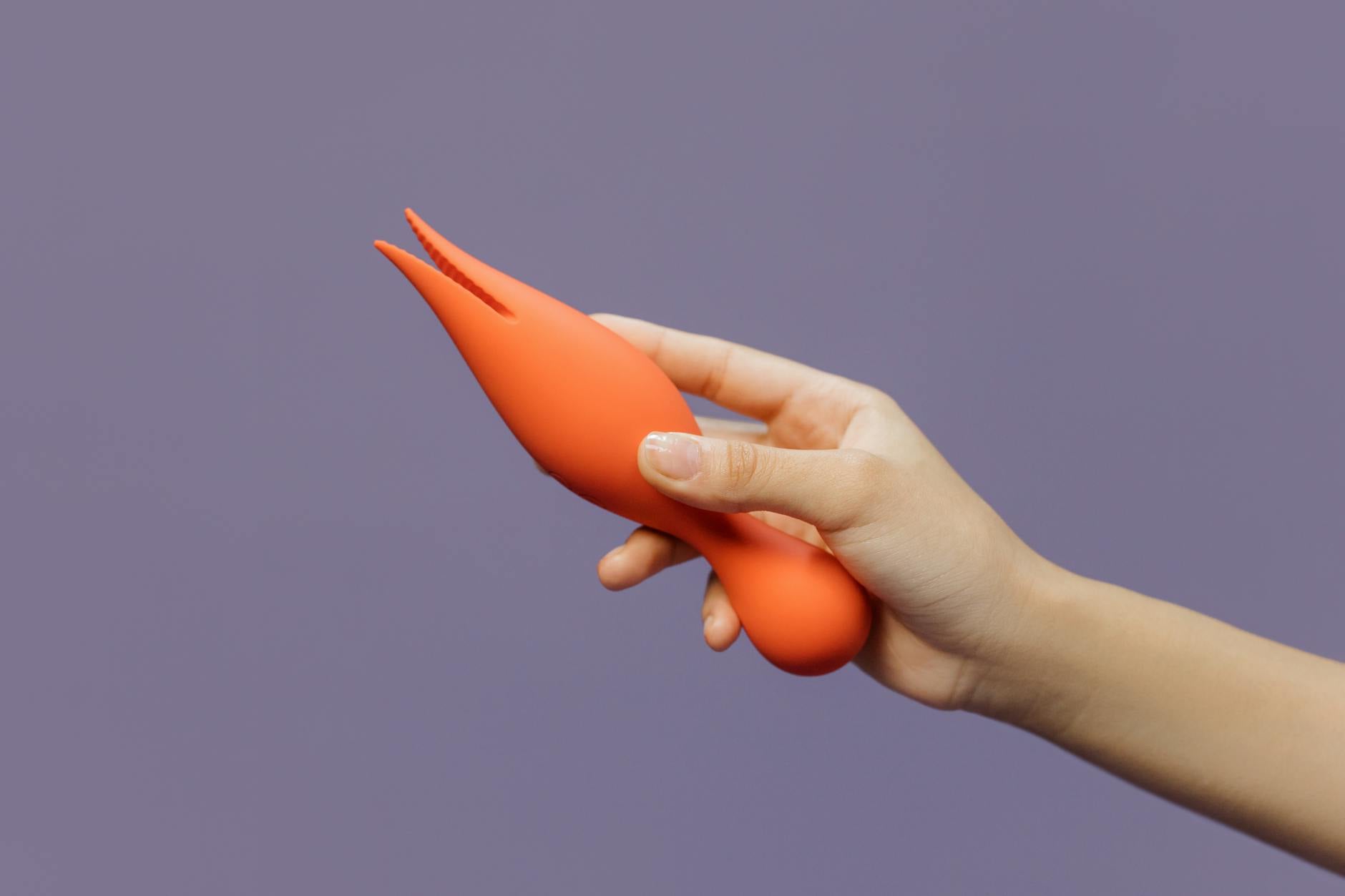
Weeks 6-12: Exploration phase. You're cleared by your surgeon, but you're relearning your body. This is when solo exploration matters. This is when a lemon clitoral vibrator, if you use one, becomes a diagnostic tool. At what pressure does sensation return? Where is numbness still present? How long does arousal take now?
Weeks 12-26: Integration phase. Scar tissue has stabilized. Nerve regeneration is mostly complete. You're starting to trust your body again. Sex with a partner can resume at a pace that feels good, not at the pace that felt normal before surgery.
Why lemon vibrators are particularly useful after pelvic surgery
A lemon clitoral vibrator works through suction and pulsing patterns, not direct friction. That matters after pelvic surgery for three reasons.
First, suction creates a gentle pressure that's easy to control. You can start at pattern 1 and stay there for weeks while sensation returns. The lem vibrator's design lets you adjust intensity without changing the tool itself, which means you're not hunting for a new toy every time your body shifts. That consistency is valuable when you're already feeling uncertain.
Second, lemon vibrators stimulate the entire clitoral complex, not just the external tip. That broader stimulation sometimes activates sensation in areas that feel numb with direct touch. I've had clients tell me their lem vibrator was the first thing that felt like something after surgery, when everything else felt distant.
Third, the pattern options let you play with rhythm without psychological pressure. You're not performing. You're not trying to climax on a partner's timeline. You're just noticing: Does pattern 2 feel different than pattern 1? Do I need 20 minutes of buildup now instead of 5? Am I actually enjoying this, or am I doing it out of fear I've lost something permanent?
The emotional work underneath the physical stuff
Here's where most articles about post-surgery sex stop, and where the real work begins.
Pelvic surgery is a trauma to your body, even when it was medically necessary. Your nervous system registered it as an injury. During recovery, your brain is hypervigilant. It's watching for threats. It's protecting you. When you try to restart pleasure, your nervous system sometimes says, "Are you sure about this?" And you feel that as numbness, anxiety, or a complete absence of desire.
That's not dysfunction. That's protection. And rushing past it doesn't make it go away.
The people who rebuild pleasure most successfully after pelvic surgery aren't the ones who ignore the emotional weight and just push through. They're the ones who slow down. They approach their own body like they're meeting someone new. They notice what's different without judgment.
If you have a partner, this matters. Your partner's anxiety can easily become your anxiety. If they're worried about hurting you, if they're worried you've changed, if they're approaching sex like a test you need to pass, that anxiety lives in your nervous system now too. Having separate conversations about this helps. "I'm healing. My body is different right now. That doesn't mean our sexual life is over. It means we're building something new." That clarity matters more than actually having sex on any particular timeline.
How to actually start using a lemon vibrator after pelvic surgery
Three guidelines that matter more than you think.
Wait until you're genuinely ready. "Cleared by your surgeon" and "ready to feel pleasure again" are two different gates. If you're at 6 weeks and the idea of any kind of sexual activity sounds exhausting, that's your answer. Wait until you feel curious, even a little bit. Curiosity is different from obligation. It's the signal your nervous system is ready to explore.
Start alone. Not forever. Just first. Use a lemon clitoral vibrator by yourself, with no performance expectation, no timeline, no worry about whether you're doing it right. You're gathering data. Where does sensation feel normal? Where is it numb? How long before arousal builds? What pattern feels most natural? Spend 2-4 weeks just noticing. That data is invaluable when you start with a partner.
Use lube, even if you think you don't need it. After pelvic surgery, tissue is often thinner and less elastic, especially if your surgery involved hormonal changes. Water-based lubricant isn't a sign of dysfunction. It's a tool that makes sensation easier to feel. Don't skip it.
When to talk to your surgeon again
Most of the changes after pelvic surgery are normal and temporary. Some aren't.
If pain returns or gets worse during sexual activity after you've been healing well, call your surgeon. If you develop infection symptoms (fever, unusual discharge, foul smell), don't wait. If numbness hasn't improved at all by 6 months post-op, mention it at your next visit. These are rare, but they matter.
Also: if your surgeon didn't mention pelvic floor physical therapy, ask about it. Many people benefit from 6-12 sessions with a pelvic floor specialist to speed up recovery and restore normal sensation. It's not just for pain. It helps your nervous system recalibrate.
The part that usually surprises people
Many people tell me that their sexuality actually improved after pelvic surgery, once they got through the recovery. They're more aware of their bodies. They're less in their heads. They've given themselves permission to slow down and pay attention.
That doesn't make the recovery less hard. But it does make it different. You're not trying to get back to normal. You're building something that fits your post-surgery life. And sometimes that turns out to be better than what you had before.
FAQ: Common questions about lemon vibrators after pelvic surgery
When is it safe to use a vibrator after pelvic surgery?
Most surgeons clear external vibration at the 6-week mark, the same point when penetrative sex is technically permitted. But readiness is individual. If you're cleared physically but your nervous system feels protective, waiting is fine. I usually recommend waiting until at least week 8-10, when initial healing is more solid and you're emotionally ready to explore. Your body will signal when curiosity returns.
Can a lemon clitoral vibrator cause damage to healing tissue?
No, not if you're past the initial healing window (6-8 weeks) and you're using it at low intensity. Start at pattern 1. The suction mechanism of a lemon vibrator is gentler than many alternatives because it distributes pressure over a wider area rather than concentrating it on one point. Keep sessions short at first, 5-10 minutes, and stop if anything feels sharp or painful (dull sensation is normal).
Why does orgasm feel different or harder to reach after pelvic surgery?
Orgasm involves complex coordination between your nervous system, blood flow, pelvic floor muscles, and psychological state. Pelvic surgery temporarily disrupts all of these. Nerves are regenerating. Blood flow is redistributing. Your pelvic floor is weak and still learning its job again. Your brain is slightly protective. All of that stacks up. Orgasms often return around week 12-16, but they might feel different. Slower. More subtle. Harder to reach. That's normal. They usually come back stronger.
Should I use a lemon vibrator with my partner present after surgery?
Not immediately. Explore alone first. Once you understand what your post-surgery body responds to, then you can invite your partner into that knowledge. Some couples find it helpful to use a lemon vibrator together as part of foreplay, so the partner isn't the only one responsible for generating pleasure. That takes pressure off everyone.
How long does it take for sensation to fully return?
It depends on the surgery and the person. Most people report significant improvement by 12 weeks. Full sensation can take 6-9 months. Some people report that sensation continues to deepen slowly even a year after surgery. Patience matters here more than you think. Your body's timeline isn't something to fight. It's something to trust.
Can I use lemon vibrators if I have scar tissue pain?
Not until the pain resolves. Scar tissue adhesions can cause sharp sensations during stimulation. If that's happening, see your surgeon or a pelvic floor physical therapist before resuming vibrator use. Once you've worked through the adhesions, most people find vibration feels much better.
What comes after healing
Pelvic surgery interrupts your sexual life. It doesn't end it. The recovery period is temporary, even when it feels endless in the middle of it. Your body knows how to rebuild pleasure. You just have to slow down enough to let it happen.
If you're feeling lost or stuck during this phase, whether physically or emotionally, reach out. Getting support from a therapist or your healthcare provider during recovery isn't extra. It's part of normal healing. Your pleasure matters. Your recovery matters. And you don't have to do it alone.