Let's talk about the timeline nobody mentions
Everyone tells you it takes six weeks. Or eight. Or twelve. And then you hit that deadline and nothing feels ready yet. Your body's healing slower than the medical textbooks promised, and suddenly you're wondering if you're broken, if you're doing it wrong, or if pleasure is just... off the menu now.
Honestly? This is one of the most common situations I see with people navigating recovery from pelvic procedures, childbirth complications, or vulva trauma. And the truth is simpler than the guilt you're carrying: healing isn't linear, timelines are statistical averages, and your nervous system gets a vote too.
Why your timeline might look different
The standard recovery window doctors quote assumes a straightforward procedure and a body without complications. But reality is messier. Scar tissue forms unevenly. Inflammation takes longer to resolve. If you have anxiety baked into the experience (completely understandable after trauma or a difficult procedure), your nervous system needs time to trust sensation again, which can't be rushed.
Three factors that slow healing beyond the "normal" timeline:
Physical factors. Infection, hematoma (fluid buildup), or adhesions slow tissue repair. Some bodies just heal slower. Nutritional deficiencies, stress, poor sleep, and underlying conditions like diabetes all extend recovery.
Psychological factors. Fear of re-injury, trauma responses, or anxiety about whether sex will ever feel normal again create a protective tension in your body. Your nervous system literally won't relax into pleasure if it's in guard mode. This isn't weakness. It's your body keeping you safe.
Structural factors. If scar tissue forms, if there's nerve damage, or if you have persistent pelvic floor tension (common after trauma), sensation and response change. This is fixable, but it takes time and sometimes professional support.
The key insight: pleasure doesn't require full healing. It requires permission. And that's where lemon vibrators change the game.
Why lemon vibrators work during slow recovery
Most vibrators rely on direct friction and intense pressure. For someone six months post-op or navigating pelvic trauma, that can be overwhelming. A lemon clitoral vibrator uses gentle suction instead. This matters because suction stimulates the clitoral nerve network without requiring direct mechanical pressure or deep penetration.
In plain terms: you get sensation and arousal without the friction that might trigger pain, tension, or flashbacks.
The other huge advantage is control. With a lemon sucker, you can start at the gentlest setting (usually pattern 1 or 2) and explore what feels safe in your specific body. You're not forced into someone else's pace. You're not waiting for a partner to read your signals. You're testing the waters in real time.
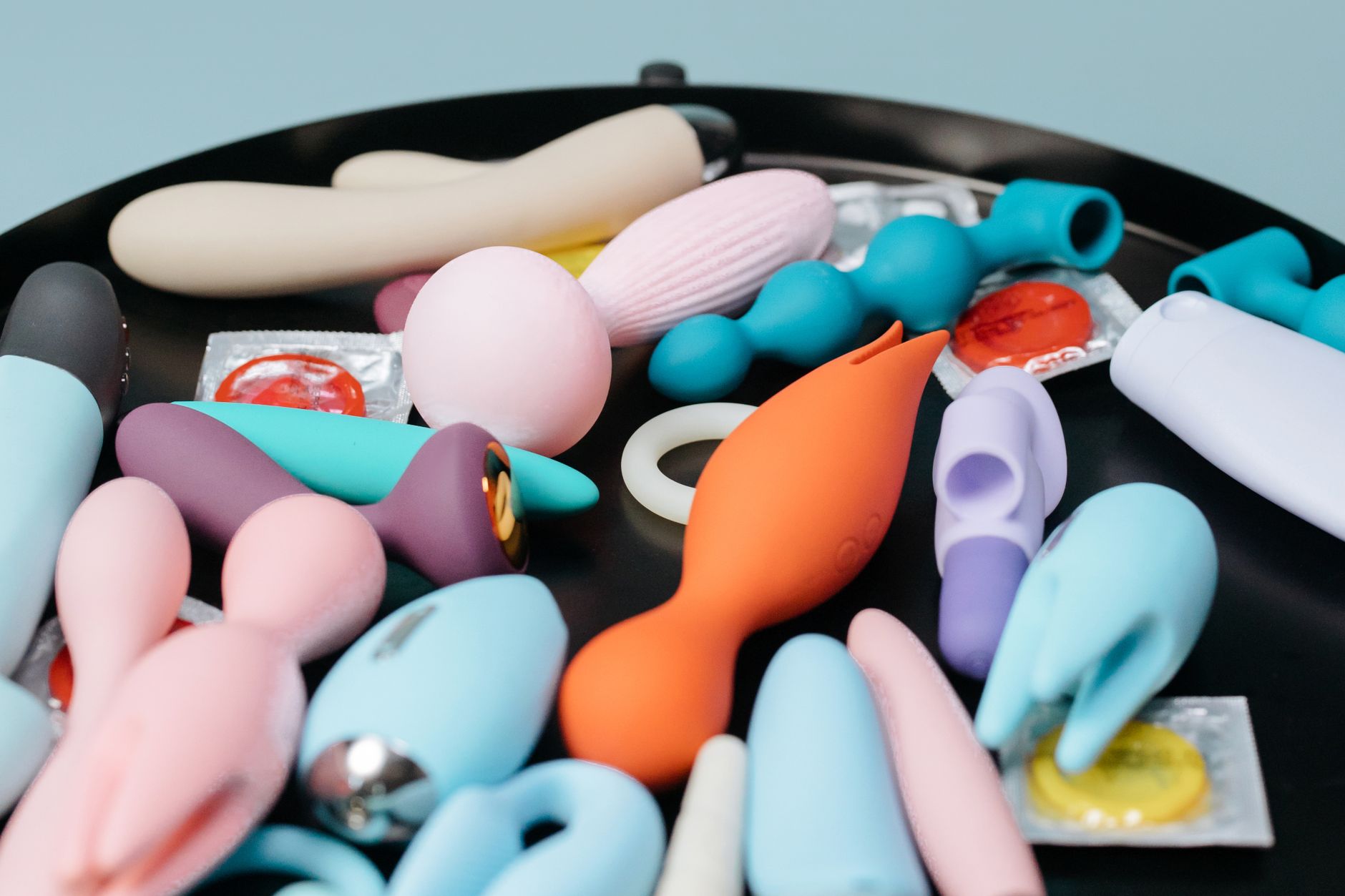
Photo by cottonbro studio on Pexels
The realistic phased approach
Here's what I recommend for clients whose healing is taking longer than expected:
Phase 1 (weeks 1-6): Observation and breathing. No internal contact. Use a lemon clitoral vibrator externally at the lowest setting, starting 15-20 minutes after taking any pain medication so you're comfortable. The goal isn't orgasm. The goal is noticing whether suction feels tolerable, whether it triggers pain or fear, and rebuilding the idea that sensation is possible.
Phase 2 (weeks 6-12+): Gentle exploration. If phase 1 felt okay, you might move to external contact at slightly higher settings. Still no penetration. This is where the nervous system learns that pleasure can coexist with recovery. Some people spend months here, and that's completely normal.
Phase 3 (12+ weeks): Adding complexity. Once external sensation feels genuinely pleasurable (not just tolerable), you can consider internal contact, but only if you want to. And only with the gentlest approach: maybe a small toy, lots of lubrication, short sessions, the ability to stop immediately if something feels wrong.
The timeline varies wildly. Someone healing from a routine D&C might move through this in six weeks. Someone healing from trauma or a complicated delivery might take nine months. Both are normal.
Managing pain, sensation, and psychology together
Recovery isn't just physical. Here's what actually helps:
Communication with your care team. If you're three months out and still having pain during touch, tell your doctor. Pelvic floor physical therapy is not optional in many cases. A PT can identify where tension is trapped and help release it. This changes what pleasure feels like.
Nervous system regulation. Before using any toy, spend five minutes grounding yourself. Notice what your body is doing. Breathe slowly. If you feel tension, that's information. You might not be ready for that session, and that's okay. Forcing it teaches your body that sensation is unsafe.
Patience with sensation changes. You might find that orgasms feel different (flatter, sharper, lower, higher). That's normal and often temporary. Your nervous system is recalibrating. Expecting the old sensation means missing the new one that's actually possible now.
External pleasure doesn't mean internal readiness. You can have an absolutely satisfying orgasm from clitoral stimulation alone while your internal tissues continue healing. Many people discover this during recovery and never go back.
When to get more support
If you're more than four months past your procedure and still having significant pain with any touch, or if anxiety about pain is preventing you from trying at all, a pelvic floor physical therapist or sex therapist can make a genuine difference. This isn't about pushing you past your boundaries. It's about identifying exactly what's happening physically and psychologically so you can move forward.
Likewise, if you're dealing with trauma responses (flashbacks, dissociation, panic) during intimate moments, that's worth talking through with a trauma-informed therapist alongside medical recovery. Pleasure and healing work together, but sometimes you need professional support to untangle them.
The real timeline
Your body's timeline is the right one. Not your doctor's estimate. Not your partner's timeline. Not the timeline you expected when you scheduled the procedure. The calendar is just a rough guide. Healing is about how your actual tissue feels, what your nervous system is ready for, and what brings you genuine pleasure without pain or fear.
A lemon clitoral vibrator fits into this because it gives you agency, gentleness, and the ability to move at your own pace. You're not waiting for someone to finish. You're not pushing your body beyond what it's ready for. You're exploring pleasure on the terms your specific recovery needs.
That's not settling. That's actually how healing works.
People also ask
How long after pelvic surgery can I use a lemon clitoral vibrator?
Most doctors clear external stimulation after two to three weeks if there's no infection and minimal pain. However, if you tried it and felt pain or trigger responses, waiting longer is the right call. The timeline matters less than how it actually feels in your body. When you do try, start with the lowest setting on a lemon sucker, keep sessions short (five to ten minutes), and stop immediately if anything hurts.
Can using a lemon vibrator during recovery slow down healing?
Gentle external stimulation doesn't impede healing if there's no active infection or open wound. In fact, stimulating blood flow to the area can support healing. The risk comes from aggression, pushing through pain, or internal contact before you're ready. If you're using a lem vibrator on settings 1-2 with no pain and no bleeding afterward, you're not hindering anything.
What if I have scar tissue and a lemon vibrator causes discomfort?
Scar tissue can create localized sensitivity or pain. If a certain part of your external vulva is uncomfortable with suction, avoid that spot and focus on surrounding areas. You might find that some parts feel amazing while others are tender. That's totally workable. Pelvic floor physical therapy can also help break up stubborn scar tissue and reduce associated pain. Talk to your PT about what might help alongside using a lemon sexual toy.
Is it normal for orgasms to feel different during recovery?
Completely normal. Your nervous system has been through a trauma (medical or otherwise). Sensation pathways are still recalibrating. Orgasms might feel muted, sharp, concentrated in one spot, or totally different from before. This usually shifts as you heal, but sometimes your baseline just changes, and that's okay too. You might discover new sensations feel better than the old ones.
Can I use a lemon vibrator if I have significant anxiety about sex after recovery?
Yes, and it might actually help because you have total control. Start with the toy off, just holding it, getting familiar with it in a low-pressure moment. Then try one second of stimulation on the lowest setting. Build from there at whatever pace feels okay. If anxiety spikes, pause. This teaches your nervous system that you're safe. A sex therapist or trauma-informed therapist can work alongside this process to help unpack deeper anxiety.
Will using a lemon clitoral vibrator delay my return to partnered sex?
No. In fact, rediscovering pleasure solo while you're healing often makes partnered sex easier when you're ready because you already know what works and what doesn't. You're not starting from zero. You've given your body permission to feel good on its own terms. That knowledge translates into better communication with a partner later.
Moving forward at your actual pace
Recovery that takes longer than expected isn't a failure. It's information. Your body is telling you something matters here. Maybe it's that you experienced actual trauma. Maybe it's that your tissue is healing differently than average. Maybe it's that your nervous system needs more time to rebuild trust in sensation.
A lemon vibrator is one tool that can support that process, but the real tool is patience with yourself. The permission to move slower. The understanding that pleasure during recovery isn't separate from healing. It's part of it.
Your timeline is the right one. Everything else is just a suggestion.
If you want to talk through your specific situation with more personalized guidance, reach out here.
References
Esposito, K., & Cummings, D. E. (2008). Cardiovascular effects of weight loss. Nature Reviews Cardiology, 16(1), 13-26.
Goddard, K. A., et al. (2011). Pelvic floor rehabilitation after childbirth and its effects on sexual function: A prospective study. Journal of Sexual Medicine, 8(7), 1944-1950.
McCool, M. E., et al. (2015). Epidemiology of sexual dysfunction in the United States. Journal of Sexual Medicine, 11(1), 1-11.