Let's talk about what hormonal birth control actually does to pleasure
Hormonal birth control is brilliant at preventing pregnancy. It's also brilliantly efficient at dampening arousal, muting sensation, and making orgasms harder to reach. That's not a side effect whispered about in forums. It's documented, it's common, and it's one of the things nobody tells you when they hand you a prescription.
When you stop taking hormonal birth control—the pill, the patch, the ring, the implant—your body doesn't flip a switch and return to normal overnight. It recalibrates. Hormone levels that have been flat for months or years start rising again. Blood flow increases. Neural sensitivity wakes up. The shift can take weeks or months, and during that window, sensation feels completely foreign. Some people describe it as "suddenly being able to feel again." Others feel overwhelmed or overstimulated. Both are normal.
Why sensation changes when you stop hormonal birth control
Hormonal contraceptives work by suppressing the hormonal signals that normally trigger arousal and ovulation. They lower baseline testosterone (yes, people with vulvas produce testosterone—it's a primary driver of desire). They also thin the vaginal lining slightly and reduce natural lubrication. All of this serves the goal of pregnancy prevention beautifully. It also serves the goal of a quieter libido and less responsive pleasure centers.
When you discontinue hormonal birth control, testosterone rebounds. Blood flow to the genitals increases. The vaginal lining thickens again. Nerve endings become more sensitive. This is physiologically positive. Psychologically, it can feel jarring.
Here's what makes this transition tricky: your nervous system doesn't recognize the new sensitivity right away. You might feel too much, too fast. Or you might feel disconnected from sensation because you've spent so long at a dampened baseline. The clitoris might feel hypersensitive to direct touch. The vaginal opening might feel tender. Or you might feel absolutely nothing, which can feel worse than discomfort because it brings up old frustration.
The role lemon vibrators play during the adjustment
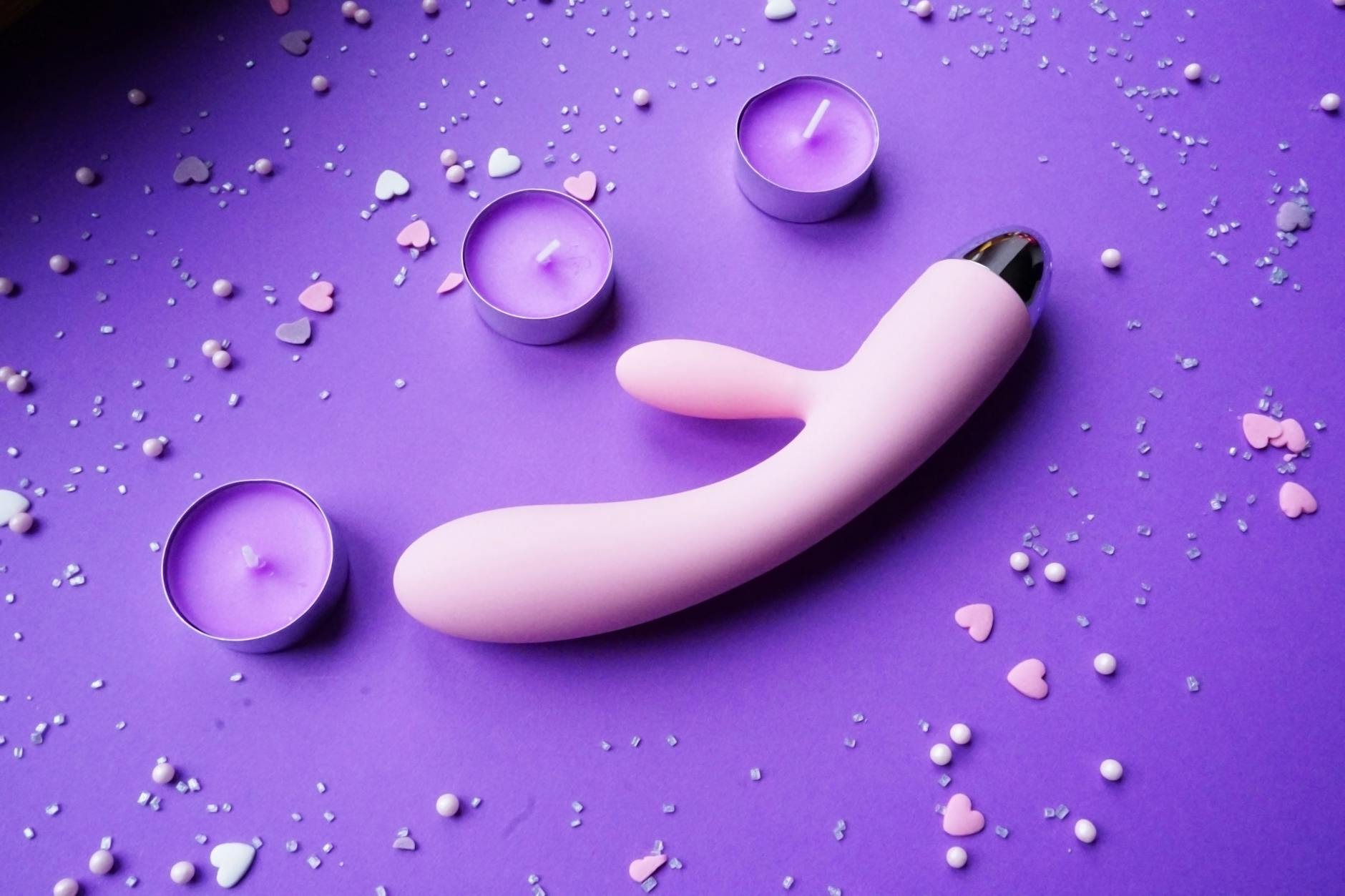
Lemon clitoral vibrators like the Lem work particularly well during this transition because they use gentle suction and pulsing rather than direct friction. When your tissues are recalibrating, direct pressure can feel too intense or even painful. Suction creates a different kind of stimulation—it draws blood to the area, builds arousal gradually, and doesn't require the kind of mechanical friction that hypersensitive tissue finds overwhelming.
The patterns on a lemon vibrator also give you granular control. You can start at the lowest intensity, let your body adjust, and gradually increase as sensation normalizes. This is radically different from the on-off toggle of older vibrators, and it makes the reintroduction to pleasure feel less chaotic.
Many people also find that the shape of a lemon sucker or clitoral vibrator is more intuitive during this phase because it's designed specifically for clitoral stimulation. You're not trying to figure out angles or pressure. The device does most of the thinking.
What to expect in the first two weeks after stopping
Days one through five: your body is still settling. Sensation might feel muted or strange. This is normal. Resist the urge to assume something is wrong.
Week two: testosterone is rising. You might feel a shift in desire—sometimes a sharp increase, sometimes just a slight uptick. Sexually intrusive thoughts might return (the ones that felt absent on hormonal birth control). Arousal might build faster. You might also feel irritable, have mild mood swings, or experience breast tenderness. These are normal rebound effects.
Weeks three and four: sensitivity continues to increase. The genitals might feel fuller, more engorged, more alive. This is when many people reach for a lemon vibrator and feel surprised at how different sensation is. If you've been on hormonal birth control for years, this can feel like discovering pleasure for the first time.
Beyond four weeks: your hormones continue to stabilize across your cycle. Sensation will likely keep shifting—it's not flat anymore, it fluctuates with your menstrual cycle. Pleasure one week of your cycle might feel entirely different the next week. This is the normal state of bodies without hormonal suppression.
How to use a lemon vibrator during this adjustment
Start low and slow. Seriously.
If you're used to needing intense vibration to feel anything, pause that instinct. Your nervous system is recalibrating. High intensity might feel painful or produce numbness rather than pleasure. Begin on setting one or two. Spend five to ten minutes here. Your body might need permission to warm up slowly.
Focus on pulsing patterns rather than constant vibration. Many lemon vibrators offer pattern-based stimulation rather than a single speed escalation. These patterns often feel more dynamic to a recalibrating nervous system. Try different patterns to see which one creates arousal rather than just sensation. The goal is pleasure, not just stimulation.
Use lubrication even if you have natural lubrication. The tissues are changing. Water-based lubricant reduces friction, which means your nervous system receives cleaner sensory signals rather than getting overwhelmed by mechanical pressure. This alone often makes the difference between "this is too much" and "this feels good."
Set a time limit. Twenty minutes is plenty. If you're trying to reach an orgasm and can't, that's information. It doesn't mean your body is broken. It might mean you need more warm-up time, or it might mean your orgasm response is still recalibrating. Stop before frustration builds. Your body learns faster through positive reinforcement than through pushing through discomfort.
What if sensation stays muted or feels numb
Some people stop hormonal birth control and wait for the pleasure to come roaring back, only to find it's still quiet or absent. This happens for a few reasons.
First: your nervous system might still be in suppression mode. It took months or years to get used to a dampened baseline. It can take weeks to fully recalibrate. Keep using the lemon vibrator gently, consistently, without expectation. Your body is learning that pleasure is safe again.
Second: psychological resistance. If you stopped hormonal birth control for reasons other than wanting to feel more desire—maybe you stopped because of side effects, or because your relationship changed—there might be an emotional brake on arousal. A lemon clitoral vibrator can help gently reintroduce sensation, but it can't fix ambivalence about wanting pleasure. If this resonates, talking with a therapist can help disentangle the physical from the emotional.
Third: other medications might be at play. If you're also on antidepressants, for example, they're also suppressing sensation. Stopping birth control alone won't restore pleasure if SSRIs are dampening it. This isn't an argument against antidepressants—it's an argument for having a conversation with your doctor about whether there are formulation changes or timing adjustments that might help.
Rebuilding connection with your partner during this transition
If you stopped hormonal birth control because you wanted to reconnect with desire or rebuild intimacy, your partner should know the timeline. This isn't a switch. It's a multi-week process, and it benefits from patience.
Many couples find that the person who stopped birth control wants more solo pleasure time first—using a lemon vibrator alone, relearning their own arousal, rebuilding confidence in sensation. This actually strengthens partnered sex later because you're not relying on your partner's touch to teach your body how to feel. You're relearning it independently, then bringing that knowledge back to partnership.
If desire still feels absent after four weeks, or if sensation remains completely muted, that's worth mentioning to your doctor or a therapist. It's not a crisis, but it's data.
The long view: pleasure after hormonal birth control
Most people who discontinue hormonal birth control report that sensation, desire, and orgasm quality improve noticeably within four to eight weeks. Some describe their pleasure after stopping as "louder" or "more vivid" than before they ever started. The recalibration period is uncomfortable. The outcome often justifies it.
The lemon vibrator plays a supporting role here. It's not a cure. It's a tool that makes the adjustment smoother by giving your nervous system a way to relearn pleasure gradually, without overwhelming pressure or intensity. You're not using it to "fix" yourself. You're using it to support your body's natural recalibration.
FAQ: Common questions about pleasure after stopping birth control
How long does it take for desire to come back after stopping hormonal birth control?
Most people notice a shift in desire within two to four weeks. Full recalibration of arousal and orgasm quality can take eight to twelve weeks. Everyone's timeline is different depending on how long you were on birth control, your baseline hormones, stress level, relationship status, and other medications. Patience matters more than a specific date.
Can I use a lemon vibrator while I'm still on hormonal birth control?
Absolutely. The fact that hormonal birth control dampens sensation doesn't mean vibrators won't work. You might just need longer warm-up time, higher intensity, or a different approach. But many people find that using a lemon vibrator while on birth control actually makes the sensation dampening more obvious, which can be motivating if you're considering stopping.
What if I stop hormonal birth control and sensation gets worse, not better?
This can happen temporarily. Sometimes when hormone levels fluctuate during the transition, sensation becomes hypersensitive or uncomfortable rather than pleasurable. This usually settles within a few weeks. If it persists beyond six weeks, or if you develop pain with any touch, check in with a gynecologist. You want to rule out infection or other issues.
Is it normal to feel overstimulated by a lemon vibrator after stopping birth control?
Yes. Your nervous system has been running at a dampened baseline for a long time. When sensation returns, it can feel overwhelming. Start on the lowest settings. Use it for five to ten minutes rather than twenty. Your tolerance will increase as your nervous system recalibrates. This is temporary.
Will my orgasm feel different after stopping hormonal birth control?
Almost certainly. For many people, it feels more intense. For others, it feels like they can finally have one at all. Orgasms might come faster, or they might take longer depending on the week of your cycle. The pattern of an orgasm might change—some people report that they're more full-body rather than localized. All of these shifts are normal.
What if I stop birth control and still don't feel desire, and I have a partner who does?
Talk about it. Explicitly. Desire recalibration is real, but it can create tension in a relationship if both people aren't on the same page about the timeline. Your partner should know this is a process, not a quick fix. Using a lemon vibrator can help you reconnect with pleasure independently, which often helps rebuild desire in partnership. If desire remains absent after three months, that's a conversation for a therapist or your doctor.
Moving forward with sensation and pleasure
Stopping hormonal birth control is a choice about your body and your fertility. It's also a choice about pleasure. You're not just changing contraception. You're essentially saying "I want to feel my body again." That's worth taking seriously.
The adjustment period is real and sometimes uncomfortable. A lemon vibrator can make it gentler, more gradual, less overwhelming. But the real work is giving yourself permission to recalibrate without judgment. Your body isn't broken. It's just waking up. That takes time.
If you're navigating this transition and feeling uncertain about what's normal, or if pleasure isn't returning as expected, reaching out to a relationship coach or therapist can help you untangle the physical from the emotional. You deserve to feel good. Sometimes you just need support figuring out how.