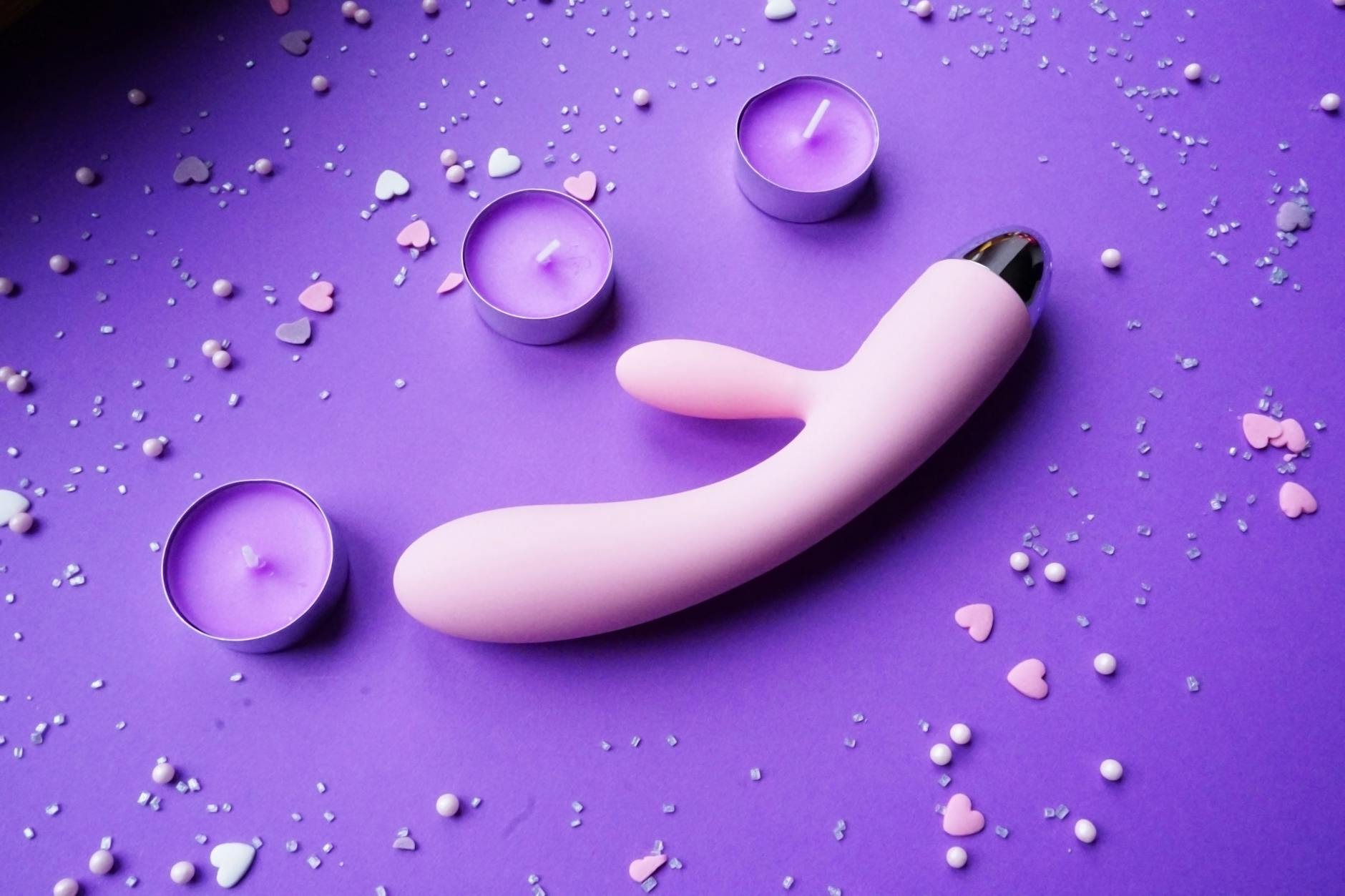
Let's start with the honest part
Rebounding sexually after trauma isn't something you "just get over." Your nervous system doesn't work that way. Pleasure, specifically, requires safety. Your body has learned something dangerous about touch, and rewiring that isn't a logic problem. It's a nervous-system project that needs time, boundaries, and tools that feel right.
Lemon vibrators and lemon clitoral toys like the Lem aren't magic. But they can be part of the toolkit. Here's how to use them in a way that actually respects where you are.
Why trauma rewires pleasure differently
Sexual assault creates a disconnection between your mind and your body. You may intellectually know you're safe now. Your nervous system doesn't. It's learned that touch means threat. Pleasure triggers vigilance instead of release.
This shows up as numbness, flashbacks, or a sudden jolt of panic mid-experience. None of this is weakness. It's your nervous system doing exactly what it was trained to do. The work isn't about forcing yourself to feel pleasure again. It's about slowly, carefully teaching your body that touch can be different now.
Lemon sexual toys can support that learning, but only if you approach them as part of a larger healing practice, not as a quick fix.
Starting with consent, starting with yourself
Here's what makes lemon vibrators different for trauma survivors: they're solitary, controllable, and entirely on your terms. You set the pace. You set the intensity. You can stop immediately without negotiating.
Before you even touch a vibrator, practice this: ask yourself out loud what you want. Not what you think you should want. Not what would please a partner. What do you actually want, right now, in this moment? Give yourself permission to say no. Then give yourself permission to say maybe later.
That permission practice matters more than any toy. But when you're ready to explore pleasure solo, a lemon vibrator offers something important: you're in complete control of every variable.
The body-scanning practice before pleasure
This is essential. Before using any lemon clitoral vibrator, spend five minutes doing what therapists call a body scan. Start at the top of your head. Notice sensation without judgment. Move slowly downward. Where do you feel ease? Where do you feel tension or numbness?
This practice serves two purposes. First, it anchors you in the present moment and your body as it is now, not as it was during the assault. Second, it shows you where sensation is already available. Many trauma survivors discover they have more sensation than they thought, it's just not where they expected it.
When you do introduce a lemon vibrator, you're not starting from scratch. You're building on what's already there.
How to approach your first session
Start in a space where you feel completely safe and won't be interrupted. Lock the door. Tell your housemate you need an hour. Your nervous system needs to know there are no surprises coming.
Begin with the vibrator off. Just hold it. Feel its weight. Notice the texture. Your system needs to acclimate to something new entering your experience. There's no timeline here. Holding it for 20 minutes counts as a successful session.
When you're ready, turn it on at the lowest setting. The Lem's intensity begins gently enough that many survivors find it less jarring than their own hand. But if even the lowest setting feels like too much, hold it against your thigh first. Build the association slowly. Your body needs evidence that this tool brings sensation, not threat.
If panic or flashback occurs, stop immediately. Turn off the toy. Do something grounding. Five minutes of feet on the floor, naming five things you can see. Your nervous system just learned something, and that's information. It doesn't mean you failed.
Using lemon vibrators in the context of a broader healing practice
Pleasure recovery after trauma often looks more like somatic therapy than like typical sexuality. You might benefit from working with a trauma-informed therapist or sex therapist alongside exploring lemon clitoral vibrators. That professional support teaches your nervous system safety cues that the toy alone cannot.
Many survivors also find that certain practices open the door to pleasure more easily. Some find that gentle movement (yoga, swimming, walking) before a solo session helps. Others need to journal first, to discharge some of the emotional activation. A few find that reading erotica written by trauma survivors feels less triggering than visual content.
Your lemon vibrator is one tool in a toolkit, not the entire toolkit.
The three phases of pleasure rediscovery
Most trauma survivors move through three rough phases, though not everyone or on the same timeline.
Phase one: sensation rediscovery. You're relearning that your body can feel things that aren't pain or threat. This might look like five minutes with a vibrator off, just touching yourself. The goal is sensation, not orgasm. Success means you felt something that wasn't scary.
Phase two: pleasure differentiation. Your body starts to recognize that certain sensations feel good. You may find that the head of the Lem, or a specific intensity pattern, creates a feeling that's distinct from threat. You're not chasing orgasm yet. You're learning "yes, this specific thing feels good."
Phase three: building capacity. Orgasm becomes possible again, though it may feel different than it did before. Some survivors report intense, full-body responses. Others find subtle pleasure feels safer and is enough. Both are normal and fine.
You may cycle through these phases multiple times, or skip around. There's no linear progression here.
When flashbacks or numbness persist
If you're using lemon vibrators regularly and still mostly feel numb or have frequent flashbacks, that's information. It doesn't mean healing isn't happening. It means your nervous system needs a different support structure.
Consider working with a trauma-informed somatic therapist, ideally one trained in EMDR, somatic experiencing, or polyvagal theory. These approaches work with your nervous system directly, not just your thoughts. That foundation often makes pleasure exploration much less triggering.
Some survivors find that addressing trauma-related symptoms like hypervigilance or dissociation first makes pleasure exploration actually feel possible. Trying to force pleasure while your nervous system is in high alert is like trying to sleep in a room full of smoke. It's not a willpower problem.
The role of a partner, if you want one
If you're in a relationship and your partner wants to be part of your pleasure rediscovery, that's something you can choose. But it's important that lemon vibrators and lemon sexual toys remain primarily a solo practice first. Your partner's presence changes the dynamic. You're managing their comfort, their pace, their expectations along with your own healing.
Solo practice with a vibrator teaches your body something simple: pleasure is for you. It's not a performance. It's not about being desirable. It's about sensation you're choosing in a space where you're completely safe.
Once you've built that foundation, introducing a partner becomes something you're adding intentionally, not something that dominates the experience.
What success actually looks like
Success in trauma recovery around sexuality isn't about reaching some baseline of how you were before. It's about building a new normal that includes safety, autonomy, and pleasure on your own terms.
For some people, that means using lemon clitoral vibrators regularly and loving them. For others, it means discovering that you don't actually want solo sexuality right now, and that's fine. For still others, pleasure becomes something that exists only with a trusted partner, and without it elsewhere. None of these outcomes is wrong.
Your pleasure is not a measure of healing. Your healing is measured by the fact that you feel more present in your body, more safe, and more able to choose what happens to it next.
When to seek additional support
If you find yourself using a lemon vibrator as a way to dissociate rather than connect, or if you're using it to numb emotional pain rather than explore sensation, that's a sign to pause and talk to a therapist. Self-pleasure can become compulsive after trauma, the same way other numbing behaviors do.
The goal isn't to use lemon sexual toys more. The goal is to feel more present, more safe, and more able to experience your body as yours.
People also ask
Is it normal to feel nothing when using a lemon vibrator after sexual assault?
Completely normal. Numbness after trauma is a protective response. Your nervous system is still in a protective mode. This doesn't mean healing isn't happening. It often means your system isn't yet convinced it's safe to feel pleasure. Working with a trauma-informed therapist alongside exploring pleasure tools often helps your nervous system downshift into a state where sensation becomes available again.
Can lemon clitoral vibrators trigger flashbacks?
Yes, they can. For some survivors, any genital touch feels unsafe initially, even self-touch with a tool. If this happens, it's worth pausing and talking to a therapist about what specifically triggered the response. It might be the vibration pattern, the location, or something about the sensation that echoes the original trauma. A therapist can help you titrate your approach so you're building safety instead of retraumatizing.
How long does it take to rebuild pleasure after trauma?
There's no standard timeline. Some survivors find pleasure-capacity returns within months. Others take years. What matters more than speed is consistency and self-compassion. You're teaching your nervous system a entirely new association with touch. That's not something you rush.
Should I tell my partner I'm using a lemon vibrator during recovery?
That depends on your relationship and your partner's stance on sexual autonomy. If you're in a relationship where solo sexuality is normalized and supported, yes, sharing that information can deepen trust. If your partner has shown they're uncomfortable with vibrators, solo sexuality, or your healing process in general, you're not obligated to disclose. Your recovery comes first. A partner who can't respect that you need space to rebuild your own relationship with your body is not a safe partner.
Is it better to use a lemon vibrator or my hands after trauma?
Neither is objectively better. Some survivors find that a lemon vibrator feels less emotionally loaded than touch, because there's a clear tool between them and the sensation. Others find that self-touch is grounding and reclaims their hands as their own. Try both and notice what feels safer. The answer will likely shift as you heal.
Can I use a lemon clitoral vibrator if I'm also in therapy for trauma?
Absolutely. In fact, it often helps. A good trauma-informed therapist will support your pleasure rediscovery as part of your healing, not something separate from it. If your therapist seems uncomfortable discussing lemon vibrators or solo sexuality, that's information about whether they're the right fit for you. Healing from trauma almost always includes reclaiming your body as a source of pleasure and safety, not just pain.
Recovering pleasure after sexual assault is an act of resistance. Your body, your pace, your permission. A lemon vibrator is just a tool. The real work is in learning that you deserve to feel good again, and that you get to decide how that happens. Consider reaching out to Hello Nancy's contact page if you'd like to discuss which Hello Nancy product might feel right for your healing journey. You can also explore our safety guide and care instructions to understand how to use any tool with intention and respect for your body.