Let's start with what nobody tells you
Pelvic floor dysfunction doesn't just hurt. It erases pleasure. Pain during sex, loss of sensation, weak or absent orgasms, difficulty with penetration. The muscles that were supposed to support your arousal are instead hijacking it, and nobody warns you that recovery is possible.
Here's the thing: pelvic floor physical therapy works. It really does. But the gap between "therapy is working" and "I can actually feel pleasure again" is where most people get stuck. That gap is exactly where tools like lemon vibrators change the game.
What pelvic floor dysfunction actually does to pleasure
Your pelvic floor is a sling of muscles running from your pubic bone to your tailbone. When they tighten too much (hypertonic), they can't relax fully. This creates a cascade of problems. Pain. Reduced blood flow to the clitoris and vulva. Weak sensation. Difficulty reaching orgasm, or orgasms that feel flat and incomplete.
Many people think pelvic floor dysfunction is always about weakness. It's not. In fact, most cases involve muscles that are too tight, not too loose. Your nervous system has learned to clench, and it's hard to unlearn.
When a pelvic floor physical therapist starts treating you, they're teaching those muscles to relax and contract properly again. But your brain is also involved. After months of pain, your nervous system is hypervigilant. It's waiting for the next flare. That fear blocks arousal at the neural level, which blocks sensation and orgasm even after the physical pain improves.
Why lemon vibrators help where other tools don't
Most vibrators use traditional vibration. For a healing pelvic floor, this can feel overwhelming. It creates too much input too fast, and your nervous system shuts down rather than opens up.
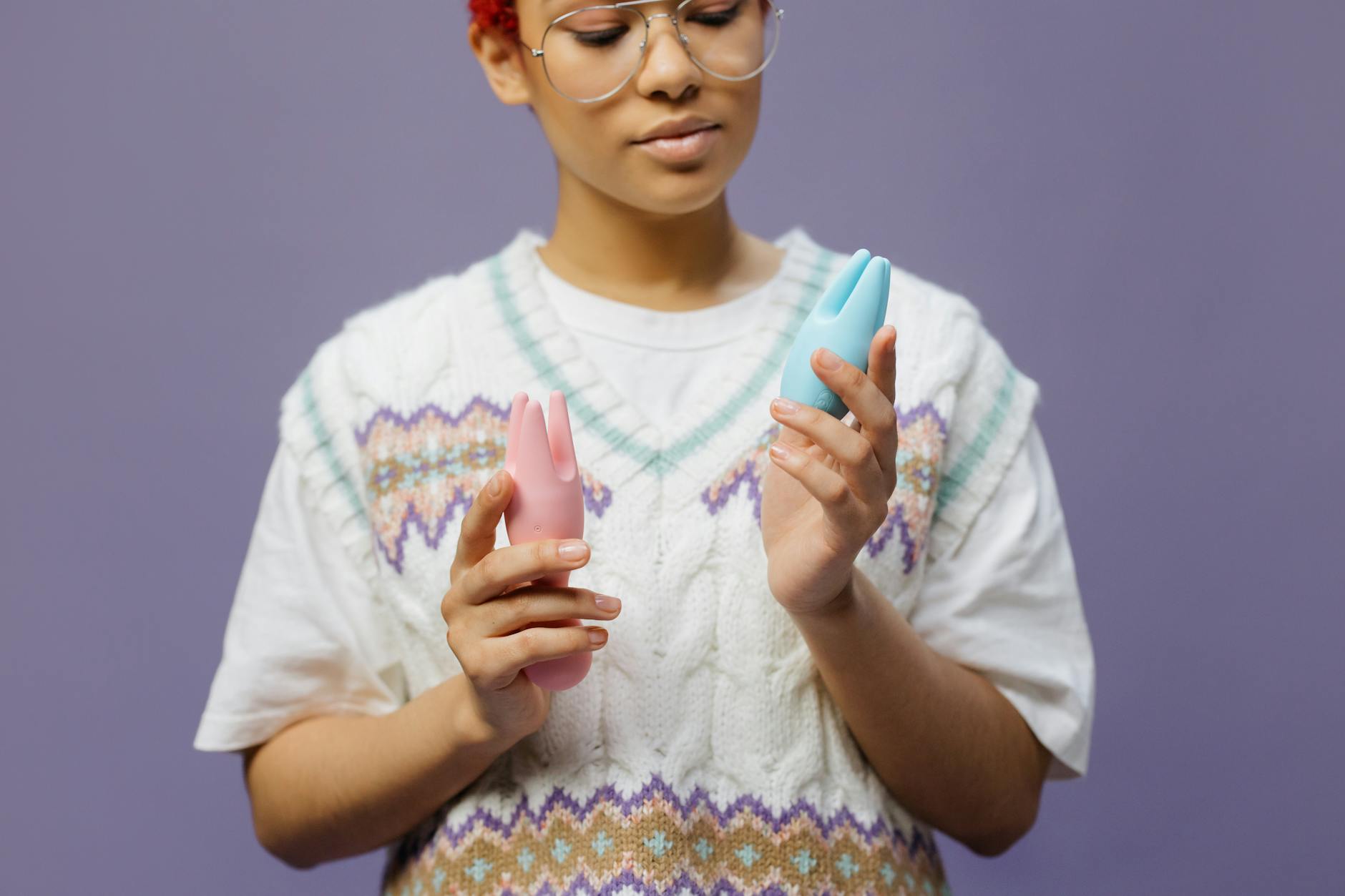
Lemon vibrators use pulsed suction technology. This creates a gentler, more rhythmic stimulation that doesn't require you to tolerate intense vibration. The sensation is concentered but not sharp. This matters because during recovery, your nervous system needs to relearn that touch on the vulva is safe and pleasurable, not dangerous.
The suction pattern also reaches deeper nerve endings without putting pressure on the pelvic floor muscles themselves. If your pelvic floor is still healing, this is crucial. You can experience pleasure without triggering the very muscles you're trying to relax.
The recovery timeline and what to expect
Pelvic floor physical therapy typically takes 12 to 16 weeks to show real improvement. Some people improve faster, others slower. The pleasure recovery timeline is usually the last milestone. Pain goes away first. Function returns second. Pleasure comes third.
Here's why: pleasure requires your nervous system to feel safe. After months of pain, safety isn't automatic. You need repeated experiences of gentle touch that feel good without hurting. That's where lemon vibrators fit into your recovery plan.
Start with your lemon vibrator on the lowest intensity setting, or even skip intensity altogether and just experiment with the suction sensation at pattern one. Give yourself 5 to 10 minutes to notice what you feel. This isn't about reaching orgasm. It's about reconnection. Many people find that their first sessions with a lemon clitoral vibrator during pelvic floor recovery are more about curiosity and relief than pursuit of orgasm.
How to use lemon vibrators safely during recovery
Timing matters. Using your lemon vibrator before a pelvic floor PT session can activate and tire out the muscles. Using it after a session, once your therapist has given the okay, helps reinforce relaxation.
Lubricant is non-negotiable. Pelvic floor dysfunction often comes with reduced lubrication due to tension and altered blood flow. A good water-based lubricant reduces friction and makes the experience more comfortable. Apply generously.
Start external. Your clitoris is safe territory. Many people with pelvic floor dysfunction find that vaginal penetration or insertion is still painful, even as recovery progresses. The clitoris is nerve-rich, highly sensitive, and doesn't require the pelvic floor muscles to relax completely. This is where you rebuild sensation and orgasm capacity.
Sessions should be short at first. Ten minutes. Fifteen at most. Your nervous system is relearning safety. Longer sessions can feel overwhelming. Quality over duration.
Stop if you feel pain, not just discomfort. Pressure, heaviness, or a sensation of muscles clenching is different from sharp pain. You'll know the difference. If you're not sure, pause and ask your physical therapist.
The emotional piece that therapists sometimes miss
Pelvic floor dysfunction often lives in the intersection of physical pain and relational stress. Many people with pelvic floor dysfunction have experienced trauma, long-term anxiety, or relationship conflict that taught their nervous system to hold. The body listened and locked.
This is why pleasure recovery is as much about feeling safe in your body and your relationship as it is about muscle function. If you're using your lemon vibrator while still anxious about your partner's reaction, or while carrying shame about your body, the pleasure ceiling stays low.
If you're in a relationship, involve your partner in understanding (not necessarily in the recovery sessions, but in the conversation). Explain that you're rebuilding sensation. Explain that pleasure is returning slowly, and that's normal. Most partners want to help. They just need permission to understand what helping looks like.
Solo pleasure during recovery is also completely valid. Many people find that their fastest pleasure recovery happens alone, without the pressure of performing for someone else or the anxiety of "what if it hurts." Once you've rebuilt that pathway solo, partnered pleasure often follows more easily.
When to escalate intensity and sensation
After 4 to 6 weeks of regular, gentle use, you can start experimenting with higher intensity settings on your lemon vibrator. But here's the key: follow your body's lead, not a timeline.
If intensity five on the Lem feels like too much, stay with intensity three for another week. If your pelvic floor tightens during use, that's a sign your nervous system isn't ready yet. Drop back to the gentlest setting.
Some people find that clitoral vibrators work better once they've also done clitoral massage or desensitization therapy. If you notice that direct vibration still feels overwhelming, alternating between your lemon vibrator and manual touch (yours or a partner's) can help your nervous system adjust gradually.
Integration into your relationship
If you're partnered, pleasure recovery is a shared project. Your partner doesn't have to understand pelvic floor dysfunction in detail. But they do need to understand that your pleasure recovery might look different than before. Orgasms might come slower. Sensation might build differently. That's not failure. That's healing.
Many couples find that the focus shifts from performance to presence. Instead of "let's have sex," it becomes "let's explore sensation together." Sometimes that exploration involves your lemon vibrator. Sometimes it doesn't. The point is shared curiosity about what feels good now, not what used to feel good.
When a partner is involved and supportive, pleasure recovery accelerates. When there's criticism or pressure, it stalls. Protect your recovery by protecting your emotional safety.
Common setbacks and how to move through them
Flare-ups happen. You're doing great, and then suddenly pain returns. Your nervous system can also regress under stress. This doesn't mean you're starting over.
If you flare, pull back from your lemon vibrator for a few days and return to your pelvic floor exercises. Then restart with the gentlest setting, as if you're beginning recovery again. The neural pathway you've already built doesn't disappear. You're just recalibrating.
If pleasure suddenly feels numb or distant after weeks of improvement, check your stress level, sleep, and whether you're dehydrated. The nervous system is reactive. Pleasure isn't just physical. It's also neurological, relational, and emotional.
The reality of long-term pleasure after pelvic floor dysfunction
Most people who complete pelvic floor PT and actively re-engage with pleasure report that their orgasms return and sometimes improve. The recovery process often resets your relationship with your own body in ways that make pleasure deeper, not shallower.
You lose the automatic, unconscious pleasure of pre-dysfunction. But you gain intentionality, awareness, and often a more resilient nervous system. That trade is worth it.
Your pelvic floor dysfunction doesn't get to define your pleasure permanently. Recovery is possible. Tools like lemon vibrators make that recovery tangible and accessible. Trust the process, trust your body, and give yourself the time and patience that healing requires.
FAQ: Pelvic floor dysfunction and pleasure recovery
How long before I can orgasm again after pelvic floor PT?
Orgasm typically returns 8 to 16 weeks into treatment, but the timeline varies widely. Some people regain orgasm within 4 weeks. Others need 6 months. The speed depends on the severity of your dysfunction, how much fear and anxiety you're carrying, and whether you're actively engaging with pleasure recovery (not just doing exercises). Using a tool like a lemon vibrator during recovery can accelerate this timeline because you're giving your nervous system safe, repeated evidence that pleasure is possible.
Can I use a lemon vibrator if I still have pain during sex?
Yes, but with caution. If you're in active pain, start with external clitoral stimulation only. Your clitoris doesn't require the pelvic floor to relax as much as penetration does. Many people find that rebuilding clitoral pleasure first, then gradually reintroducing other kinds of stimulation, works better than trying to do everything at once. Talk to your pelvic floor physical therapist before introducing any new stimulation.
What's the difference between pelvic floor dysfunction pain and normal discomfort during recovery?
Sharp, shooting, or stabbing pain is a stop signal. Pressure, heaviness, or a sensation of muscles engaging and then releasing is more normal. You might feel your pelvic floor contract during stimulation, then relax. That's actually a good sign your nervous system is learning. Pain that makes you wince or hold your breath means pause and check in with your PT.
Should I tell my pelvic floor PT that I'm using a lemon vibrator?
Absolutely. Your physical therapist needs to know what inputs your body is receiving so they can track progress accurately. They might adjust your exercises based on how your pelvic floor is responding to vibrator use. This isn't judgment. It's information that helps them help you.
Can pelvic floor dysfunction cause permanent loss of orgasm?
Rarely. The nerve endings for orgasm don't disappear. What happens is your nervous system learns to shut down arousal as a protective mechanism. That's reversible. Even in severe cases where orgasm feels impossible, pelvic floor PT combined with nervous system work (sometimes with a therapist or somatic practitioner) usually restores at least some capacity for orgasm.
Is it normal for pleasure to feel different after recovery than it did before?
Completely normal. Your nervous system has been rewired by months of pain. As you heal, the pathways reshape. Many people find their orgasms feel different. Deeper, more localized, more intense, or sometimes more subtle. Different doesn't mean worse. It often means more authentic to your body as it is now.
What comes next
Pelvic floor dysfunction is treatable. Pleasure is recoverable. The path forward includes pelvic floor physical therapy, your nervous system's gradual relearning that pleasure is safe, and tools that make that relearning feel good.
If you're in early recovery or haven't yet started PT, ask your doctor for a referral. If you're already in treatment and struggling with the pleasure piece, give yourself permission to experiment with what feels good without pressure. A lemon vibrator can be part of that exploration.
Your pleasure matters. Your recovery is worth the time and attention it takes. You deserve to feel good in your body again.