How to Choose a Lemon Clitoral Vibrator When You Have Sensitive Skin
Let's be real: sensitive vulva skin is not a barrier to pleasure. It's just a different set of requirements. The good news is that once you know what to look for in a lemon vibrator or lemon clitoral vibrator, navigating your options becomes straightforward.
I work with clients all the time who've been told their sensitivity means they should just accept weaker sensation or skip vibrators altogether. That's nonsense. The Lem Nancy Toy lineup and other quality lemon sexual toys are designed with materials and features that actually work better for reactive skin. You just need to know which ones, and why.
What sensitive vulva skin actually means
Sensitivity usually shows up in one of three ways: irritation after use (redness, itching, or burning), discomfort during use (friction that feels raw or sharp), or a delayed reaction (soreness the next day). None of these mean you're broken. They mean your skin barrier is more permeable, your nerve density is higher, or you're dealing with inflammation that needs addressing before pleasure can happen.
The culprit is rarely the vibrator itself. It's usually one of three things: the material it's made from, the lubricant you're pairing it with, or the stimulation intensity being too high for your current state.
Here's the part nobody tells you: people with sensitive skin often experience the most intense, rewarding orgasms once they find the right tool. Your higher nerve sensitivity isn't a flaw. It's a feature.
Material matters more than you think
When you're shopping for a lemon vibrator designed with sensitivity in mind, the material is your first filter.
Medical-grade silicone is the gold standard for sensitive skin. It's non-porous, hypoallergenic, and doesn't harbor bacteria the way porous materials do. Quality silicone feels smooth, not sticky or rubbery. If a vibrator's surface feels tacky or smells chemical, that's not medical-grade silicone. Pass.
ABS plastic (the hard plastic used in many vibrator bodies) is also safe for sensitive skin, but only if it's fully sealed and smooth. Any micro-scratches or rough spots will irritate you. Run your finger over it. If you can feel texture, your vulva will too.
What to avoid: jelly rubber, PVC, elastomer, or anything labeled "phthalate-free" as if that's a selling point (it should be standard, not a bonus feature). These materials are porous, trap bacteria, and can contain allergens that irritate sensitive tissue.
The Lem Nancy Toy brand uses medical-grade silicone throughout, which is why clients with reactive skin consistently report fewer issues compared to lower-tier options.
Texture and design for comfort
Beyond material, the physical design of your lemon sucker or clitoral vibrator matters hugely for sensitive skin.
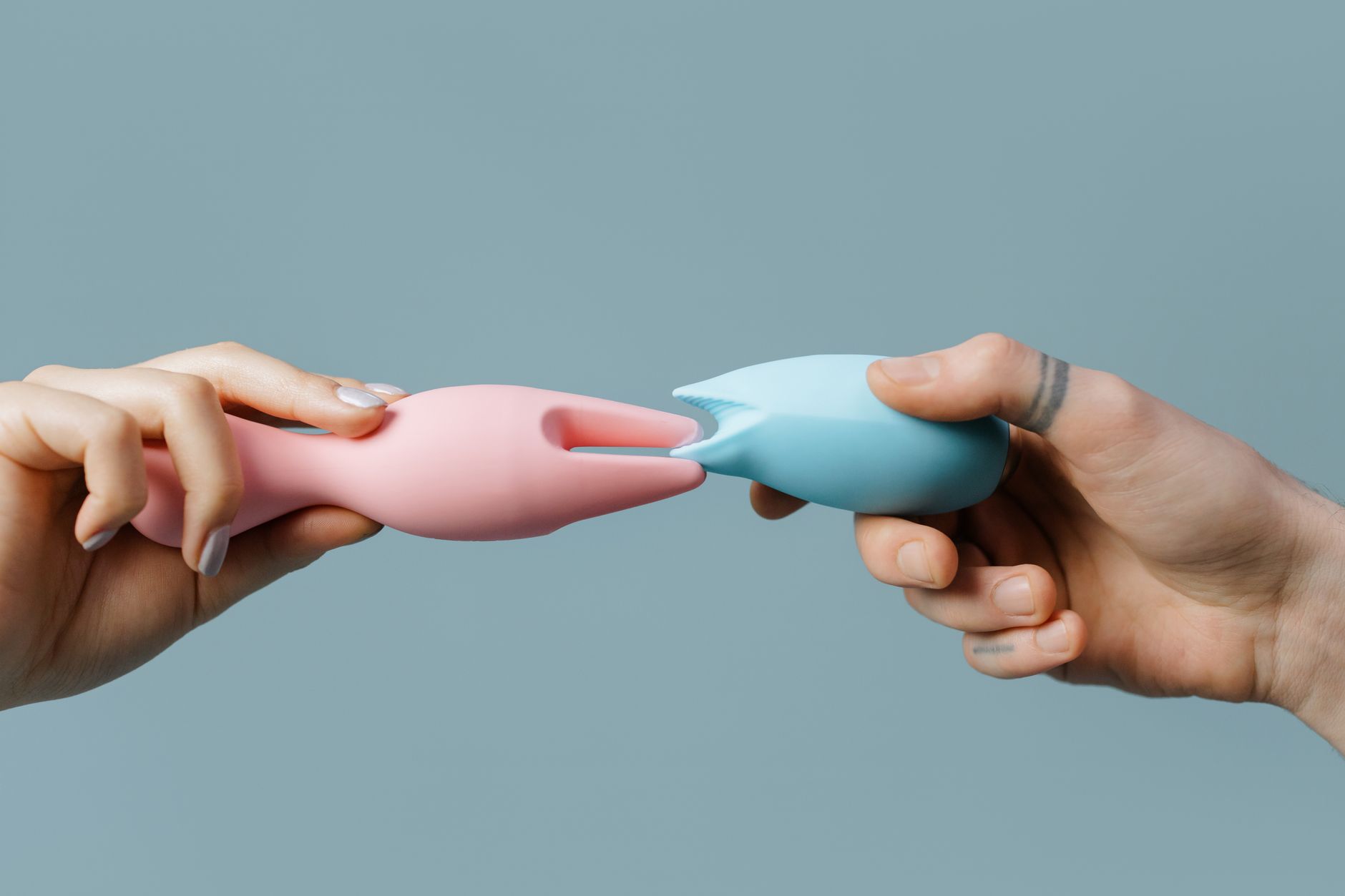
Smooth, rounded edges are non-negotiable. Any sharp transitions, seams, or textured ridges will feel uncomfortable. Many vibrators have a seam where the motor housing meets the tip. On sensitive skin, you'll feel that immediately. Look for designs where the transition is smooth and gradual.
Size and weight factor in too. A heavier vibrator means more direct pressure, which can feel intense or even painful if your skin is inflamed. A lighter, smaller design (like the Lem) distributes stimulation more gently and lets you control pressure with your own hand.
The shape matters. Pointed tips concentrate sensation into a smaller area, which can feel sharp. Broader, rounded tips spread the sensation, which feels more comfortable and still delivers powerful stimulation when you need it.
Why vibration pattern options matter more than raw power
Here's where people get it backwards: higher vibration strength is not better for sensitive skin. In fact, it's often worse.
What you want is precision and flexibility. A vibrator with multiple patterns and adjustable intensity lets you start low and build up. You're not forcing your skin to adapt to the toy. You're matching the toy to your body's current state.
For sensitive skin specifically, look for vibrators that offer:
- Ramp-up patterns (starts gentle, builds gradually)
- Lower frequency options (some vibrators pulse at frequencies that feel more soothing than stimulating)
- The ability to adjust intensity mid-session without stopping
Most quality lemon vibrators and lemon clitoral vibrators now offer these features. The cheap ones often have one speed and one pattern: all-in or nothing.
 Photo by Magda Ehlers on Pexels
Lubrication is your secret weapon
This is the part that transforms the experience. The right lubricant doesn't just make a vibrator feel better. It actually protects your sensitive skin.
Water-based lubricants are safest for sensitive skin because they're non-irritating and won't interact with your vibrator's material. Silicone-based lubes feel silkier but can damage silicone toys (so skip those if you're using a lemon sexual toy made with silicone). Oil-based lubes trap bacteria and can disrupt your natural pH. Avoid.
For sensitive skin, seek out lubes with minimal ingredients. The fewer additives, perfumes, and "natural extracts," the less chance of irritation. Hypoallergenic and dermatologist-tested are real indicators.
Apply lube generously and reapply during longer sessions. A well-lubricated surface means your vibrator glides smoothly instead of creating friction. That friction is often what irritates sensitive skin, not the vibrator itself.
Building tolerance gradually
If your sensitivity has been a barrier to pleasure, you can't expect your vulva to react the same way on day one that it will on day thirty. Sensitivity often improves with consistent, gentle use.
Start with the lowest intensity setting on your lemon vibrator or lemon clitoral vibrator. Use it for 5-10 minutes, a few times a week. You're not trying to orgasm. You're teaching your nervous system and tissue that this sensation is safe.
Over time, your threshold changes. What felt intense becomes comfortable. What felt uncomfortable becomes pleasurable. This isn't about desensitizing yourself. It's about nervous system regulation and tissue adaptation.
If irritation appears, stop and wait 24-48 hours before trying again. That's not failure. That's information. It tells you that you need more lubrication, lower intensity, shorter sessions, or a day off.
Hygiene and aftercare
Dirty toys irritate sensitive skin far more than the toy itself ever could.
After each use, wash your lemon vibrator with warm water and mild soap. Dry it completely before storing. If you're prone to infections, you might rinse with a 1% peroxide solution after washing (don't do this regularly, just when you need extra security).
Store your vibrator in a clean, dry place. Dust, lint, and bacteria accumulate on toys stored in damp bathrooms or dusty drawers. A sealed container or the original box is best.
After using any vibrator, rinse your vulva with warm water. If you notice irritation forming, a cool compress for 10 minutes works wonders.
When to talk to a doctor
If you're selecting a lemon clitoral vibrator for the first time and you have a history of vulvodynia, lichen sclerosus, contact dermatitis, or unexplained vulvar pain, get guidance from a vulvovaginal specialist before experimenting. These conditions need specific management, and some vibrator features might aggravate them.
If you develop persistent irritation despite following all these guidelines, you might be dealing with an infection or an underlying condition that has nothing to do with the vibrator. A pelvic health physical therapist or gynecologist can help you sort it out.
The bottom line on choosing the right lemon vibrator
Sensitive skin deserves a lemon sexual toy that's thoughtfully designed, made from quality materials, and used with intention. That toy exists. It's the one that puts your comfort first.
Start with medical-grade silicone, smooth edges, adjustable intensity, quality lubricant, and patience. Build your tolerance gradually. Pay attention to what your body tells you. If you're reaching for a lemon vibrator or lemon sucker and something feels off, that's data, not failure.
Your sensitivity is real. Your pleasure is worth protecting. Both are true at once.
People also ask
Can you use a regular vibrator if you have sensitive skin?
Yes, but you need to be more selective about materials and features. Standard vibrators made with unknown plastics or porous materials are riskier for sensitive skin because they can harbor bacteria and contain irritating chemicals. Stick with medical-grade silicone or sealed ABS plastic, and always verify the material before buying. A lemon clitoral vibrator designed with sensitive skin in mind will have fewer triggering features than a bargain-bin option.
What lubricant is safest for sensitive vulva skin?
Water-based lubricants are the safest choice because they're inert, easy to clean off, and won't interact with your vibrator's material. Look for hypoallergenic formulas with minimal additives. Brands that list their ingredients transparently (and have short ingredient lists) are your best bet. Avoid anything scented, medicated, or with "natural" extracts unless you've tested them on small areas first and know you tolerate them.
Is it normal for your vulva to feel sore after using a vibrator?
Mild sensation (almost like a pleasant ache) is normal immediately after intense stimulation. But actual soreness that lingers hours later, or irritation that gets worse with repeated use, is a sign to adjust something. It could be intensity, duration, lubrication, or the vibrator's texture. Try scaling back and reassessing. If soreness persists even at low intensity with good lube, that's worth discussing with a pelvic health specialist.
How do you know if you're allergic to a vibrator?
You'll notice redness, swelling, itching, or burning that appears during or shortly after use, usually localized to the area of contact. The reaction might fade within an hour or last several hours. If it happens consistently with one toy and not others, that's likely an allergy or sensitivity to the material. Switch to a different toy and monitor. True allergies to medical-grade silicone are rare, but sensitivities to latex, plastic additives, or specific lubricants are common.
Should you use different vibrators for different types of sensitivity?
Not necessarily. A well-designed lemon vibrator with adjustable intensity, smooth texture, and quality materials will work across multiple types of sensitivity because you can customize the experience. Start with patterns and intensity settings that feel gentle, and build from there. One good vibrator beats multiple mediocre ones when you have sensitive skin.
How often can you use a lemon vibrator if you have sensitive skin?
There's no universal answer because it depends on your individual sensitivity level. Some people use them daily without issue. Others need a day between sessions. Pay attention to your body. If you notice tenderness building up, take a break for a day or two. Your vulva will tell you what it needs. Listen to that signal rather than following a schedule.